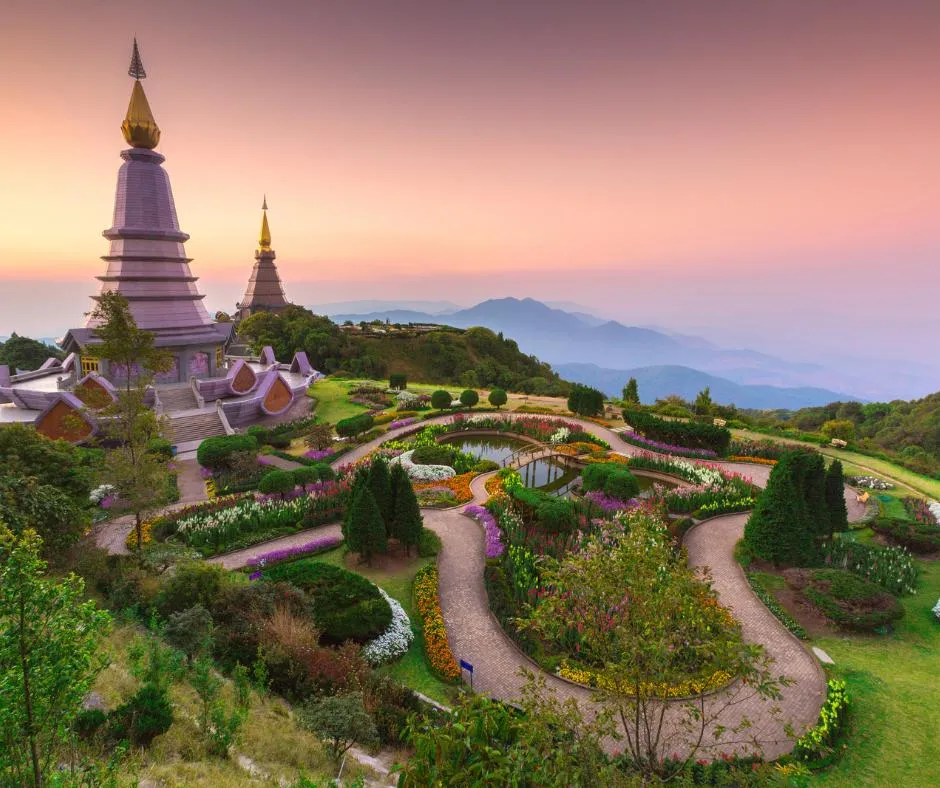
Chiang Mai Travel Guide: Temples, Mountains, Markets & Culture
Chiang Mai blends ancient temples, lively markets, northern Thai cuisine and mountain scenery with a relaxed, creative atmosphere. Discover the best things to see and do, when to visit, where to stay and practical tips for exploring northern Thailand’s cultural capital.
Updated
Surrounded by forest-covered mountains in northern Thailand, Chiang Mai offers a very different experience from the beaches of Phuket or the high-rise energy of Bangkok. Ancient temples, traditional Lanna architecture, colourful markets and one of Thailand’s most celebrated regional food scenes sit alongside modern cafés, boutique hotels and a thriving creative community.
At the heart of Chiang Mai is its historic Old City, still partly enclosed by a moat and remnants of its ancient walls. Beyond it, neighbourhoods such as Nimman add a more contemporary side to the city, while mountains, waterfalls, national parks and countryside adventures are all within easy reach.
Whether you are visiting for a long weekend or using Chiang Mai as a base to explore northern Thailand, there is plenty here to justify slowing down and staying a little longer.
Why Visit Chiang Mai?
Chiang Mai works particularly well for travellers looking for a combination of culture, food, nature and a relaxed city atmosphere.
Unlike many major tourist destinations in Thailand, much of Chiang Mai can still feel surprisingly laid-back. Spend the morning visiting centuries-old temples, stop for a bowl of khao soi at lunchtime, browse local crafts in the afternoon and finish the day exploring one of the city's evening markets.
The surrounding countryside adds another dimension, with national parks, mountain viewpoints, waterfalls, hiking trails and rural communities all accessible on day trips from the city.
Explore Chiang Mai Old City
The Old City is the historical centre of Chiang Mai and one of the best places to begin exploring.
Roughly square in shape and surrounded by a moat, the area contains an extraordinary concentration of temples, guesthouses, restaurants, cafés and massage shops. It is compact enough to explore on foot, although the midday heat can make tuk-tuks or songthaews appealing for longer journeys.
Tha Phae Gate on the eastern side of the Old City is one of Chiang Mai's best-known landmarks and provides a convenient starting point for exploring the centre.
Some of Chiang Mai's most important temples are found within or close to the Old City.
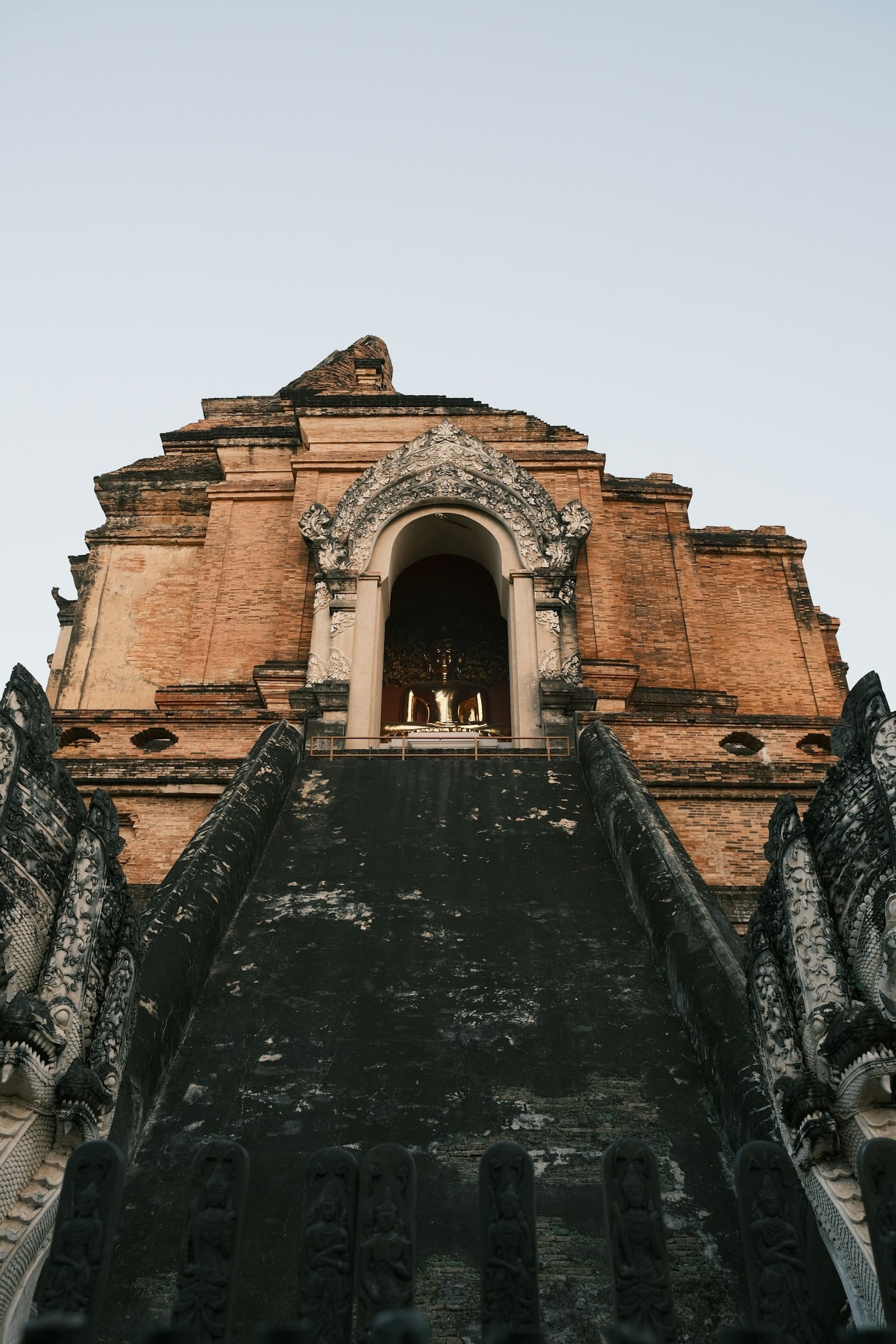
Wat Chedi Luang
One of Chiang Mai's most impressive historic temples, Wat Chedi Luang is dominated by the remains of a huge 15th-century chedi.
Although partly damaged over the centuries, the enormous brick structure remains one of the most distinctive sights in the Old City. The temple complex is still active, and visitors may see monks going about their daily routines alongside worshippers and tourists.
Its central location makes Wat Chedi Luang easy to combine with several other temples during a walking tour of the Old City.
Wat Phra Singh
Another essential Chiang Mai temple is Wat Phra Singh, one of the city's most important examples of traditional Lanna religious architecture.
Golden details, richly decorated buildings and carefully maintained temple grounds make it one of the highlights of the Old City, while its position towards the western end of Ratchadamnoen Road makes it easy to visit alongside Wat Chedi Luang.
As with all working temples in Thailand, visitors should dress respectfully, covering shoulders and knees and removing footwear where required.
Wat Phra That Doi Suthep
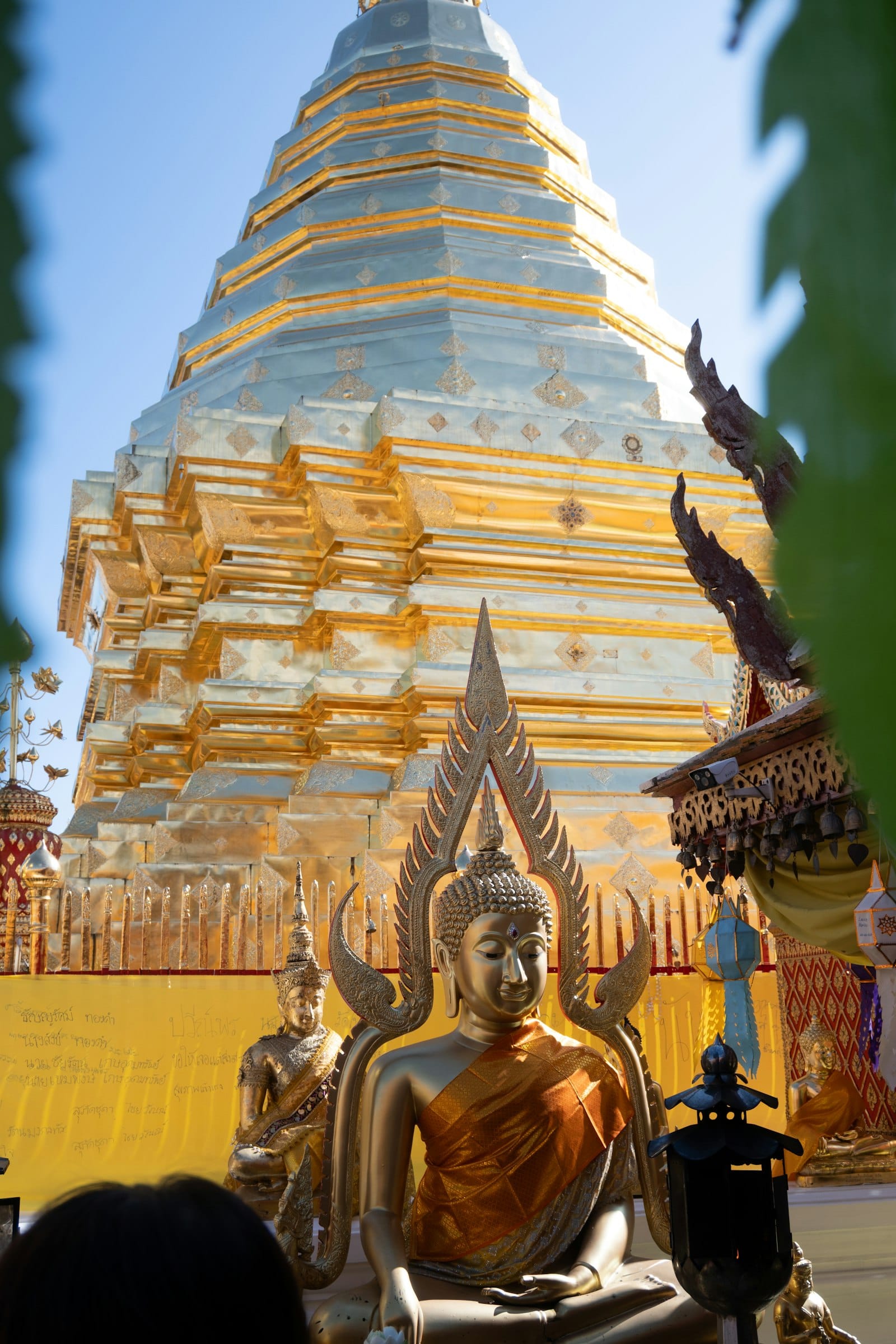
Rising above Chiang Mai on the slopes of Doi Suthep mountain, Wat Phra That Doi Suthep is arguably the city's most famous landmark.
The temple dates back to the 14th century and is considered one of northern Thailand's most sacred Buddhist sites. A staircase lined with ornate naga serpents leads towards the temple complex, where a gleaming golden chedi stands at its centre.
On clear days, viewpoints around the temple provide sweeping views across Chiang Mai and the surrounding countryside.
Doi Suthep can be reached by taxi, private vehicle, organised tour or one of Chiang Mai's distinctive red songthaews. More active visitors can also follow hiking routes through the forest, including the trail passing Wat Pha Lat, a peaceful temple tucked into the mountainside.
Try to visit early in the morning if you prefer cooler temperatures and fewer crowds.
Discover Chiang Mai's Markets
Markets are an important part of everyday life in Chiang Mai and one of the easiest ways to experience the city's food, crafts and local atmosphere.
Sunday Walking Street
Every Sunday evening, the area around Ratchadamnoen Road in the Old City becomes a large pedestrian market filled with stalls selling handicrafts, clothing, artwork, souvenirs and street food.
It can become extremely busy, but for first-time visitors it remains one of Chiang Mai's signature evening experiences.
Saturday Walking Street
Held around Wualai Road, just south of the Old City, the Saturday Walking Street offers another excellent mix of street food, handicrafts and local products.
Chiang Mai Night Bazaar
East of the Old City, the Night Bazaar is another long-established shopping area where visitors will find clothing, crafts, souvenirs, restaurants and food stalls.
Warorot Market
For something with more of a local flavour, visit Warorot Market, close to the Ping River.
Rather than being aimed solely at tourists, Warorot is an everyday market where local residents shop for food, clothing, dried goods, spices and northern Thai specialities.
What to Eat in Chiang Mai
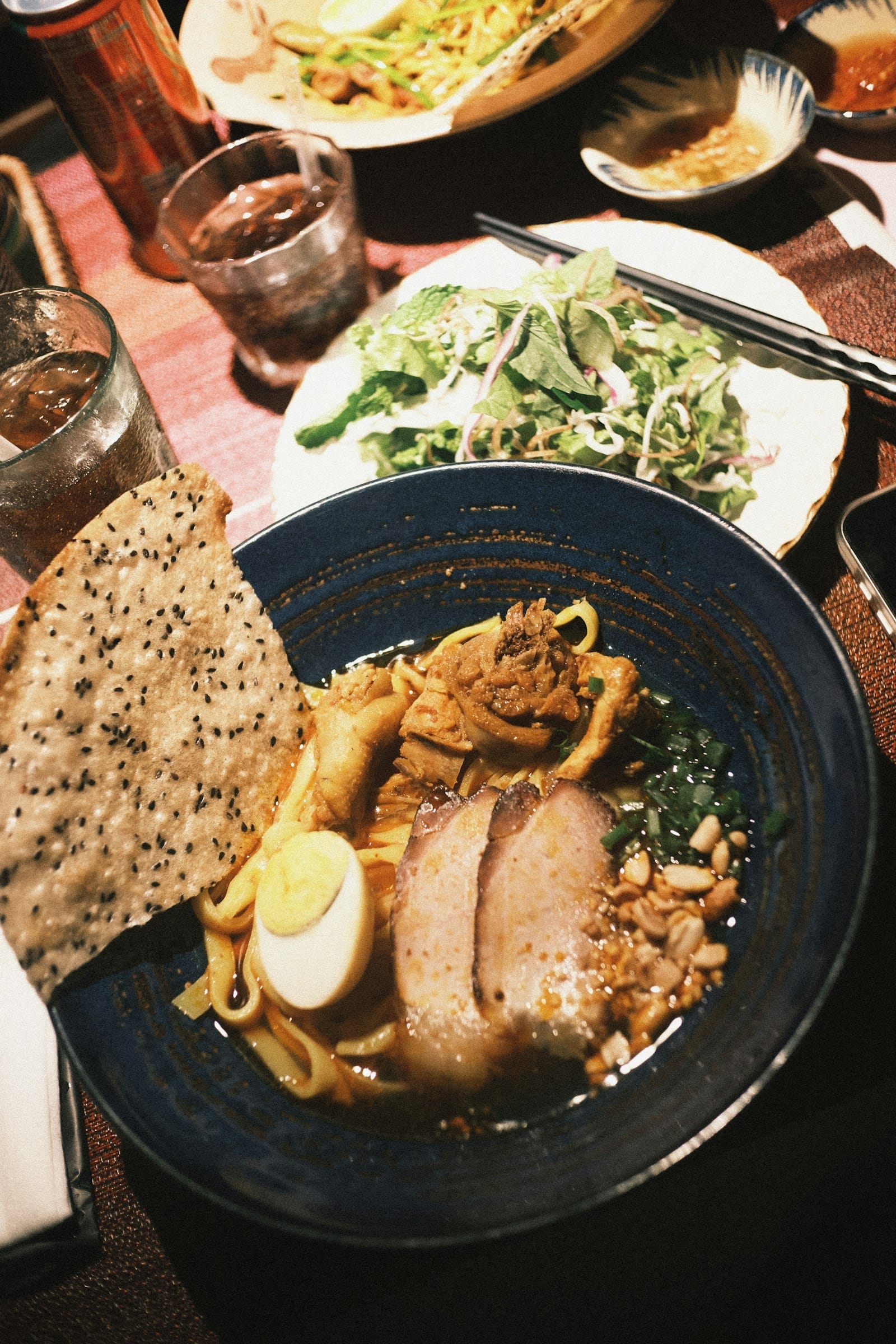
Food alone is a good reason to spend several days in Chiang Mai.
Northern Thai cuisine has its own distinctive flavours and dishes, many of which differ considerably from the curries and stir-fries travellers may associate with central or southern Thailand.
One dish you should definitely try is khao soi, a rich coconut curry noodle soup usually topped with crispy noodles and served with accompaniments such as lime, shallots and pickled vegetables.
Other regional favourites include:
- Sai oua – aromatic northern Thai sausage seasoned with herbs and spices
- Nam prik ong – a chilli and tomato dip commonly served with vegetables
- Nam prik noom – a smoky green chilli dip
- Gaeng hung lay – a rich northern-style pork curry influenced by neighbouring Myanmar
Chiang Mai also has an excellent café culture, particularly around Nimman, the Old City and areas close to Chiang Mai University.
Explore Nimman
West of the Old City, the Nimmanhaemin – usually shortened to Nimman – neighbourhood represents modern Chiang Mai.
Here you will find speciality coffee shops, restaurants, cocktail bars, boutiques, co-working spaces and contemporary shopping developments including One Nimman and MAYA Lifestyle Shopping Center.
It is particularly popular with younger Thai visitors, digital nomads and travellers looking for a livelier café and nightlife scene.
For many visitors, dividing their time between the heritage atmosphere of the Old City and the more contemporary feel of Nimman provides a good introduction to both sides of Chiang Mai.
Visit Doi Inthanon National Park
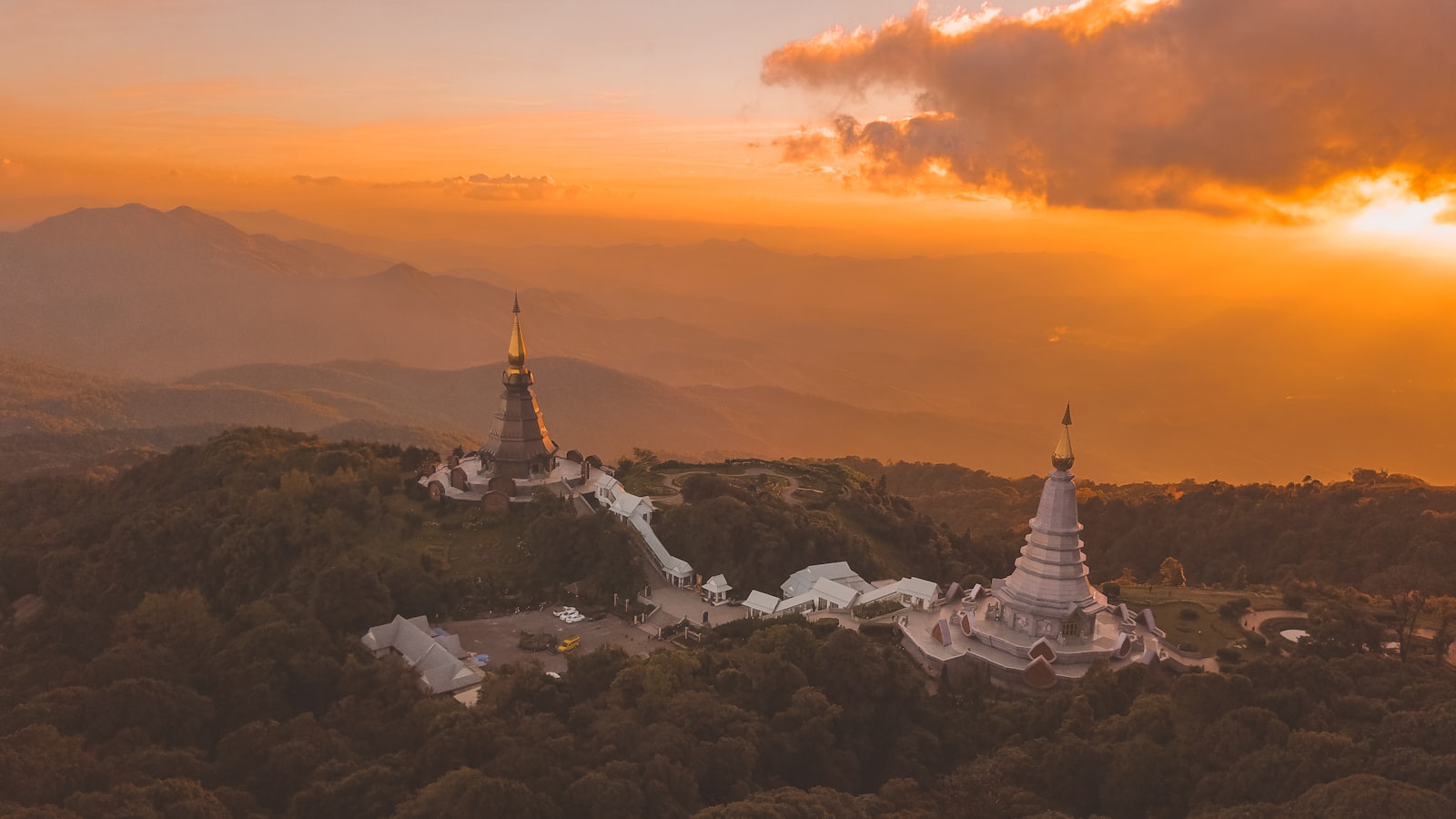
Around two hours from Chiang Mai, Doi Inthanon National Park contains Thailand's highest mountain and makes one of the most popular day trips from the city.
The mountainous landscape includes waterfalls, forest trails, viewpoints and high-altitude scenery that can feel remarkably different from the tropical heat of the city below. Doi Inthanon rises to more than 2,500 metres above sea level, so temperatures around the summit can be noticeably cooler.
Many organised tours combine the summit area with waterfalls, walking trails, pagodas and stops at local communities or markets.
Bring an extra layer during the cooler months, particularly if visiting early in the morning.
Ethical Elephant Experiences
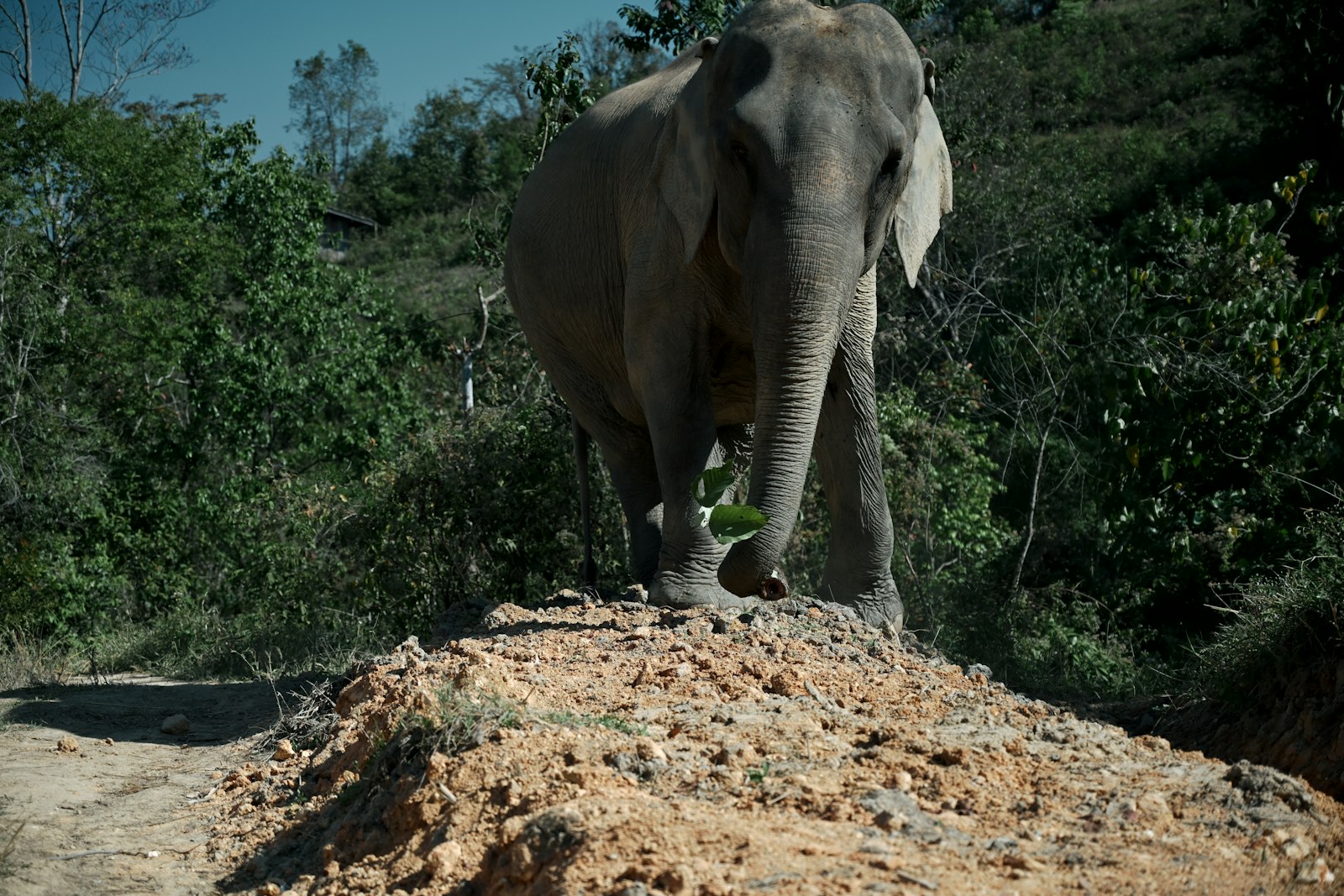
Chiang Mai province has long been associated with elephant tourism, but standards vary enormously between operators.
Travellers increasingly choose observation-focused sanctuaries and rescue centres where elephants are allowed to behave naturally rather than venues offering riding, performances or forced interactions.
Before booking, research the organisation carefully. Look for experiences prioritising animal welfare, limited physical interaction and education rather than entertainment.
Thai Cooking Classes
Taking a Thai cooking class is another popular Chiang Mai experience.
Many courses begin with a market visit before teaching guests how to prepare several Thai dishes, while some schools operate from farms or countryside locations outside the city.
It is an enjoyable way to learn more about the ingredients behind dishes such as curry pastes, pad Thai, spring rolls and mango sticky rice.
Massages and Wellness
Chiang Mai is also well known for affordable massages, wellness centres and spas.
Options range from simple traditional Thai massage shops to luxury resort spas and specialist wellness retreats outside the city.
Several massage programmes in Chiang Mai also support vocational training and social enterprises, making it worth researching where you book.
Getting Around Chiang Mai
Chiang Mai is relatively easy to navigate compared with Bangkok.
Within the Old City, many attractions are close enough to explore on foot.
For longer journeys, common transport options include:
Songthaews: Chiang Mai's red shared pickup trucks operate throughout the city and are one of its most recognisable forms of transport. Agree your destination and fare with the driver before travelling.
Tuk-tuks: Convenient for short journeys, particularly around the Old City and Night Bazaar areas. Agree the price first.
Ride-hailing apps: Services such as Grab provide a convenient way of arranging cars or motorbike taxis and can remove the need to negotiate fares.
Private cars and tours: Often the easiest option for visiting places outside the city such as Doi Suthep, Doi Inthanon and rural attractions.
Motorbike rental is widely available but should only be considered by suitably licensed and experienced riders. Mountain roads can be steep and winding, and travel insurance may not cover accidents if licence requirements are not met.
Getting to Chiang Mai
Most international visitors arrive through Chiang Mai International Airport (CNX), located only a few kilometres from the central city.
There are frequent domestic connections with Bangkok as well as services linking Chiang Mai with other Thai and regional destinations.
Chiang Mai can also be reached by train from Bangkok. The overnight sleeper is particularly popular with travellers who prefer a slower journey through Thailand, although flying is considerably quicker.
Long-distance buses connect Chiang Mai with Bangkok, Chiang Rai and numerous other cities across northern and central Thailand.
Best Time to Visit Chiang Mai
For many travellers, November to January offers some of the most pleasant conditions.
Temperatures are generally cooler and rainfall is relatively low, making this a popular period for temple visits, markets, hiking and excursions into the mountains.
The rainy season generally runs from around May to October. Showers can be heavy, but they are often relatively short-lived and the surrounding countryside becomes particularly lush and green.
A Note About Chiang Mai's Burning Season
Visitors planning a trip between February and April should pay particular attention to air quality.
Agricultural burning and forest fires across northern Thailand and neighbouring countries can cause significant haze and elevated levels of fine particulate pollution. Conditions vary from year to year and even from day to day, but March and early April can be particularly affected.
Chiang Mai experienced another severe haze period during spring 2026, when persistent wildfires and agricultural burning produced unhealthy air across parts of northern Thailand.
If travelling during this period, check current air-quality readings shortly before your trip, particularly if you have respiratory or cardiovascular conditions or plan to spend significant time hiking outdoors.
Festivals in Chiang Mai
Chiang Mai hosts several of Thailand's most memorable celebrations.
Yi Peng and Loy Krathong

Usually held in November, Yi Peng is closely associated with northern Thailand and Chiang Mai.
The festival coincides with Loy Krathong and sees the city decorated with lanterns, while floating krathongs are traditionally released onto waterways.
Large organised lantern-release events may require advance tickets, while regulations surrounding where lanterns can be released can change for aviation and safety reasons. Check local arrangements for the specific year you are travelling.
Songkran
Thai New Year is celebrated nationwide in April, but Chiang Mai is particularly famous for Songkran.
The moat surrounding the Old City becomes the centre of several days of energetic water fights, religious ceremonies and festivities.
Expect huge crowds, wet clothes and heavy traffic around central Chiang Mai.
How Many Days Do You Need in Chiang Mai?
Allow at least three full days if visiting Chiang Mai for the first time.
That gives enough time to explore the Old City, visit Doi Suthep, experience the markets and sample some of the city's food.
Four or five days allows you to add excursions such as Doi Inthanon, a cooking class, countryside attractions or a responsible elephant experience without rushing.
Travellers using Chiang Mai as a base for wider northern Thailand may easily spend a week or more in the region.
Where to Stay in Chiang Mai
The best area depends largely on how you want to experience the city.
Old City: Best for first-time visitors, temples, heritage attractions and easy walking.
Tha Phae and Night Bazaar: Convenient for markets, restaurants, shopping and evening activity.
Nimman: Best for cafés, restaurants, nightlife and a more modern neighbourhood atmosphere.
Riverside: Home to several boutique and luxury hotels and generally quieter than the central tourist districts.
Chiang Mai offers accommodation ranging from inexpensive guesthouses and hostels to stylish boutique properties, serviced apartments and five-star resorts.
Practical Tips for Visiting Chiang Mai
- Dress modestly when entering Buddhist temples; shoulders and knees should generally be covered.
- Remove shoes before entering temple buildings where indicated.
- Carry drinking water, particularly when exploring on foot during the hotter months.
- Use sunscreen even during the cooler season.
- Check air quality if travelling between February and April.
- Take extra clothing when heading into the mountains during winter, as temperatures can be surprisingly cool.
- Avoid elephant attractions involving riding, performances or obviously unnatural behaviour.
- Keep small-denomination Thai baht available for markets, street food and local transport.
Is Chiang Mai Worth Visiting?
Absolutely.
Chiang Mai manages to combine the history and spirituality of northern Thailand with excellent food, accessible nature and a relaxed contemporary lifestyle.
You can admire a centuries-old temple in the morning, eat one of Thailand's best regional dishes for lunch, escape into the mountains in the afternoon and spend the evening wandering through a street market.
For travellers wanting to experience a different side of Thailand beyond its tropical islands and southern beaches, Chiang Mai is one of the country's most rewarding destinations.