Hoi An Travel Guide: Ancient Streets, Beaches and Local Flavours
Discover the best things to do in Hoi An, from its lantern-lit Ancient Town and local food to beaches, countryside adventures and memorable day trips.
Updated
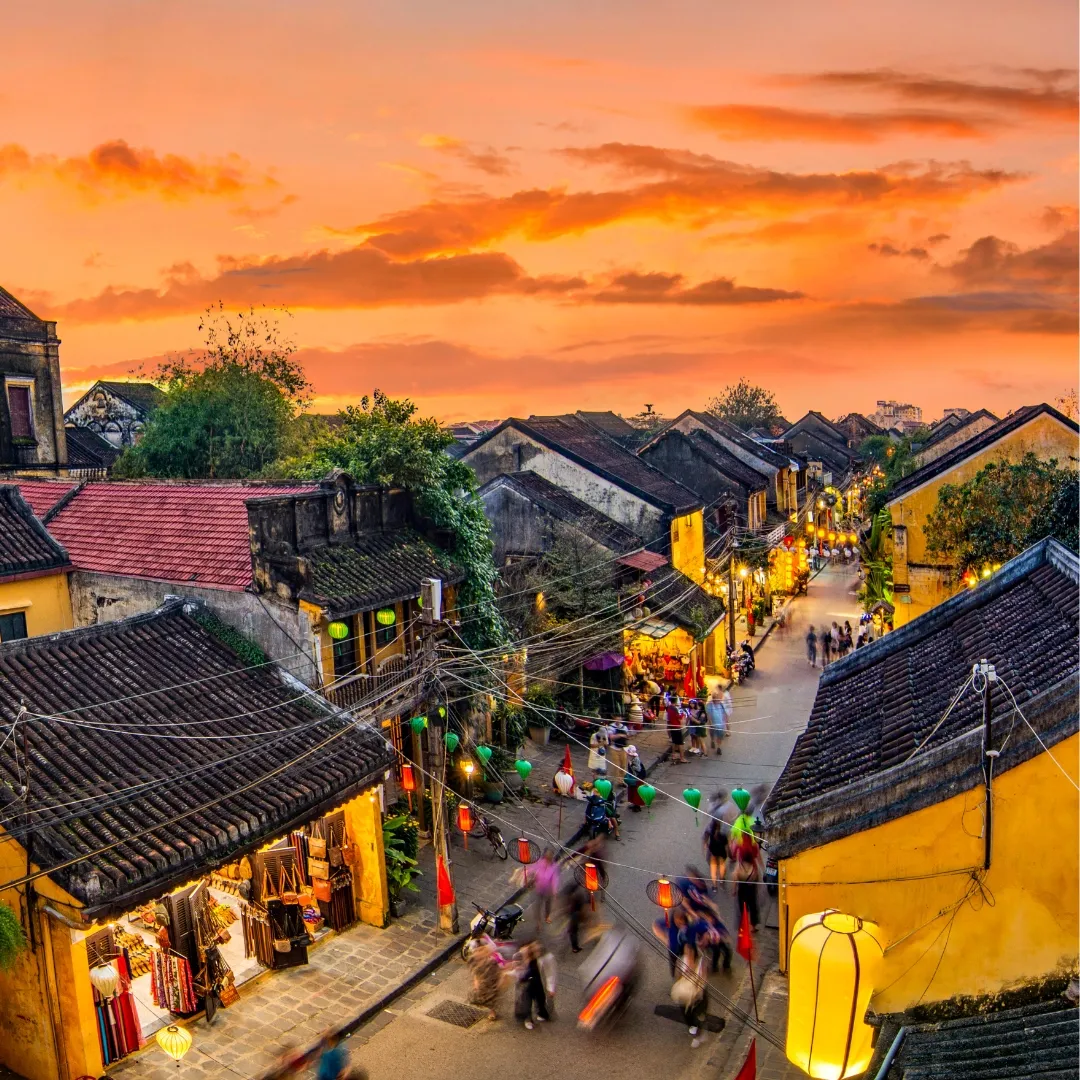
Golden-yellow buildings, colourful lanterns and wooden boats gliding along the river have made Hoi An one of Vietnam’s most recognisable destinations. Yet there is far more to this historic city than its postcard-perfect Ancient Town.
Beyond the old streets, visitors can cycle through rice fields, learn to prepare Vietnamese dishes, relax beside the sea or explore traditional craft villages. Hoi An also makes a convenient base for visiting the Cham temples of My Son, the beaches and attractions of Da Nang, and the marine landscapes of the Cham Islands.
Compact, atmospheric and easy to explore, Hoi An suits couples, families, solo travellers and anyone looking to slow the pace during a journey through Vietnam.
Why visit Hoi An?
Hoi An was once an important international trading port, welcoming merchants from China, Japan, Europe and elsewhere in Asia between the 15th and 19th centuries. Their influence can still be seen in its merchant houses, temples, assembly halls, narrow streets and riverside layout.
The Ancient Town was added to the UNESCO World Heritage List in 1999 and is recognised as an exceptionally well-preserved example of a traditional Southeast Asian trading port. Its mix of indigenous and international architectural influences gives Hoi An a character quite unlike anywhere else in Vietnam. UNESCO describes the protected area as a remarkably intact historic townscape, where old buildings continue to function as homes, shops, restaurants and places of worship.
Hoi An is also a destination of contrasts. One moment you can be wandering between centuries-old buildings; the next, cycling beside water buffalo, eating seafood beside the beach or joining a lantern-making workshop.
Explore Hoi An Ancient Town
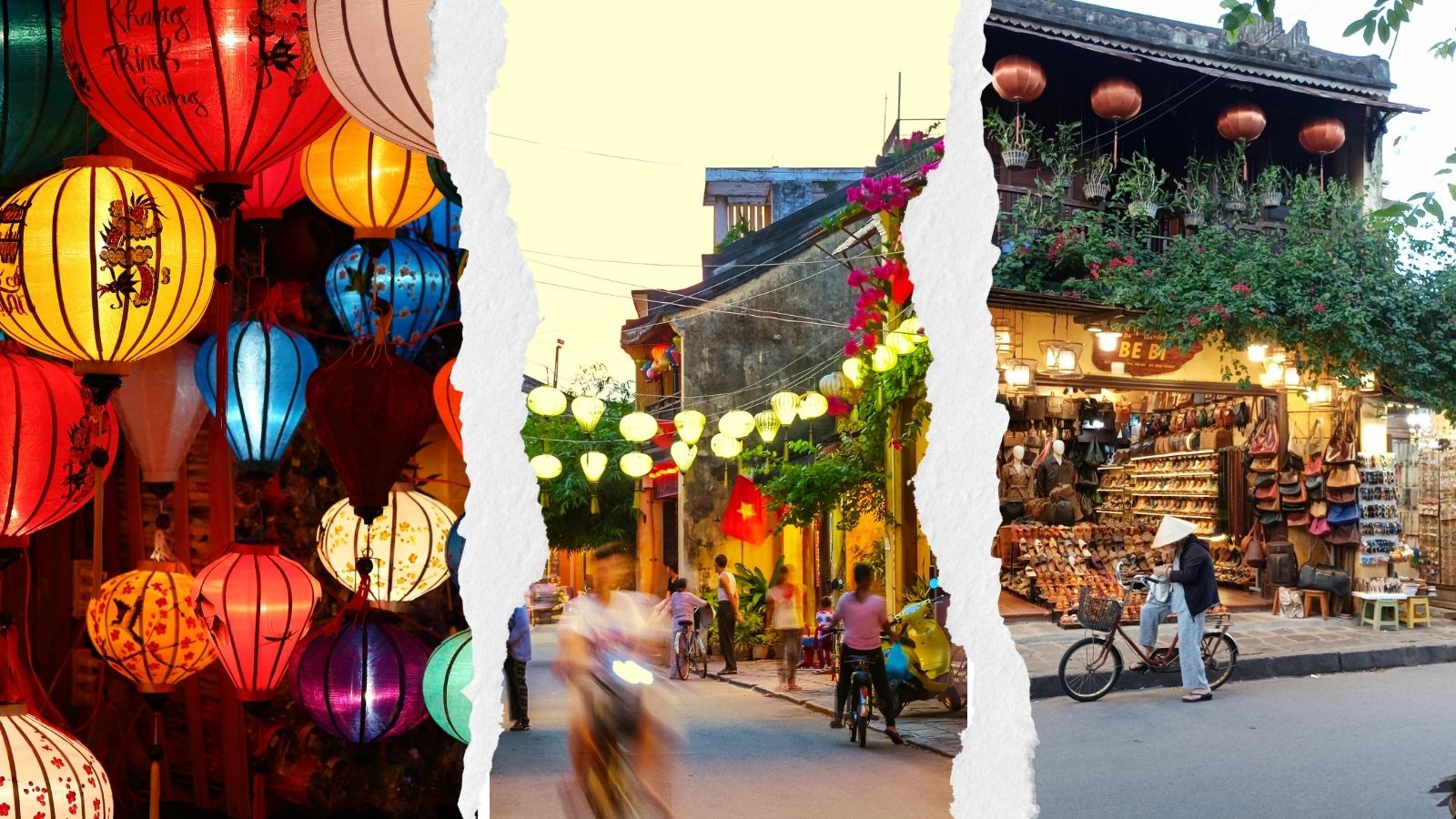
The Ancient Town is the heart of Hoi An and the best place to begin exploring. Its streets are lined with mustard-yellow buildings, dark wooden shopfronts, tiled roofs, cafés, galleries, tailor shops and temples.
While the centre becomes busiest during the afternoon and evening, early morning reveals a quieter side. Local residents exercise beside the river, market traders arrange their produce and the streets remain relatively peaceful before tour groups arrive.
Allow several hours to wander without a fixed route, but look out for these important sights:
Japanese Covered Bridge
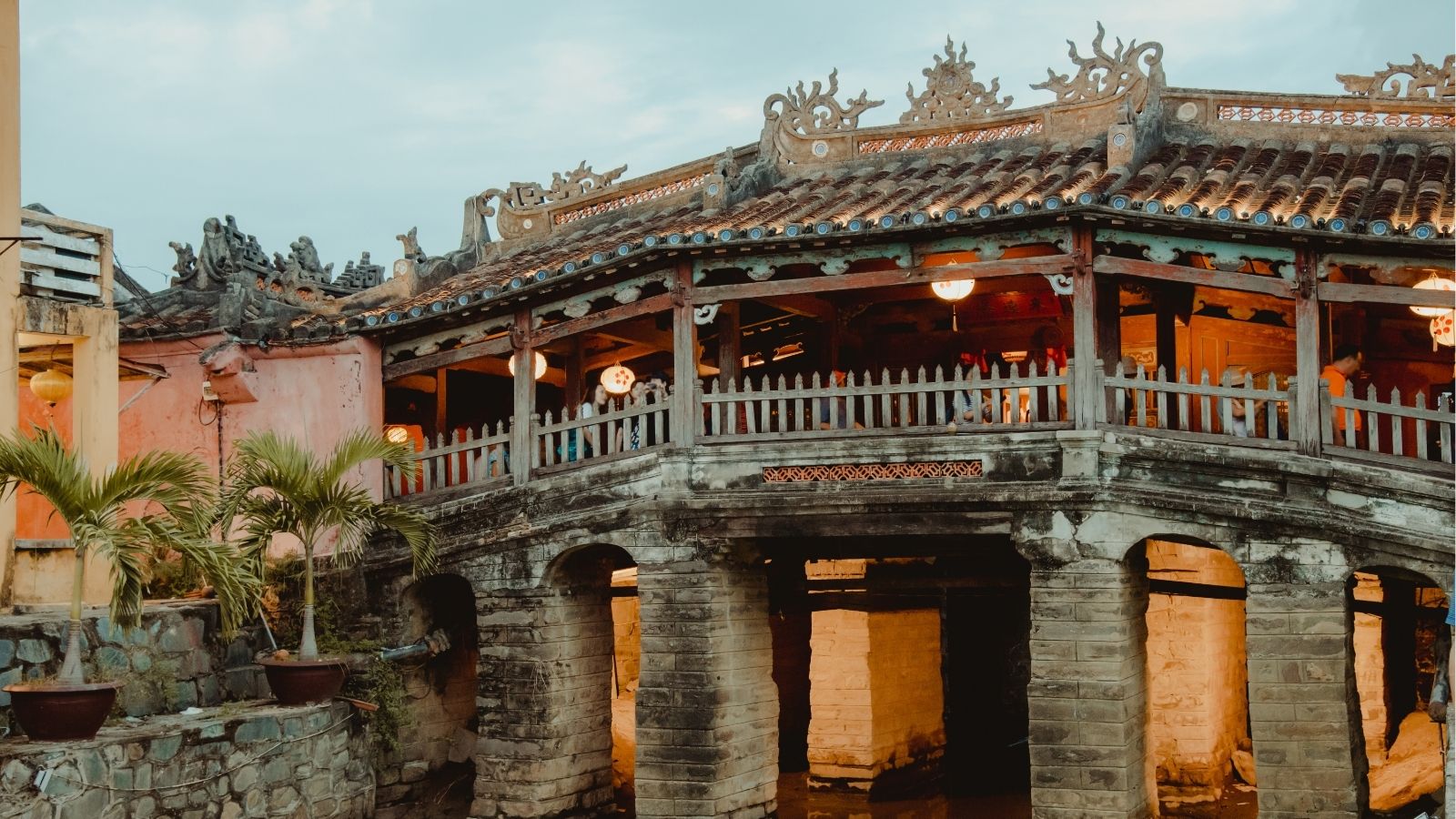
The Japanese Covered Bridge, also known as Chua Cau, is Hoi An’s most famous landmark. Originally built by the town’s Japanese community, the small covered bridge combines practical architecture with spiritual symbolism and reflects the city’s multicultural trading history.
The bridge reopened following a major restoration project completed in 2024 and can once again be crossed by visitors. It is particularly photogenic in the early morning, before the surrounding streets become busy.
Fujian Assembly Hall
The elaborate Fujian Assembly Hall was built as a meeting and worship space for members of Hoi An’s Fujian Chinese community. Its colourful gates, statues, courtyards and incense-filled halls make it one of the most visually impressive historic buildings in town.
Tan Ky Ancient House
Tan Ky Ancient House offers a glimpse inside a traditional merchant home. Its architecture incorporates Vietnamese, Chinese and Japanese influences, while markings inside the property show the levels reached by past floods.
Quan Cong Temple
Dedicated to the respected Chinese general Quan Cong, this richly decorated temple remains an active place of worship. Visitors should dress respectfully and avoid disturbing people who have come to pray.
Hoi An Central Market
Located close to the river, Hoi An Central Market is filled with fruit, vegetables, herbs, seafood, spices and everyday household goods. The adjoining food stalls provide an inexpensive introduction to local dishes, although mornings are usually the most active time to visit.
Do you need a ticket for Hoi An Ancient Town?
Visitors can walk through parts of central Hoi An, but an Ancient Town sightseeing ticket is required to access the heritage attractions included in the official visitor programme.
For 2026, the official reference price for international visitors is VND 120,000. The ticket provides access to a selection of historic houses, museums, assembly halls and cultural attractions and can be used for up to three days. Keep the ticket stub with you while exploring.
The heritage attractions generally operate during daytime hours, but the streets, restaurants and riverside remain active into the evening. Prices, included attractions and opening hours can change, so check at an official ticket booth when you arrive. Current ticket guidance is available through the Da Nang Tourism Promotion Center.
Experience Hoi An after dark
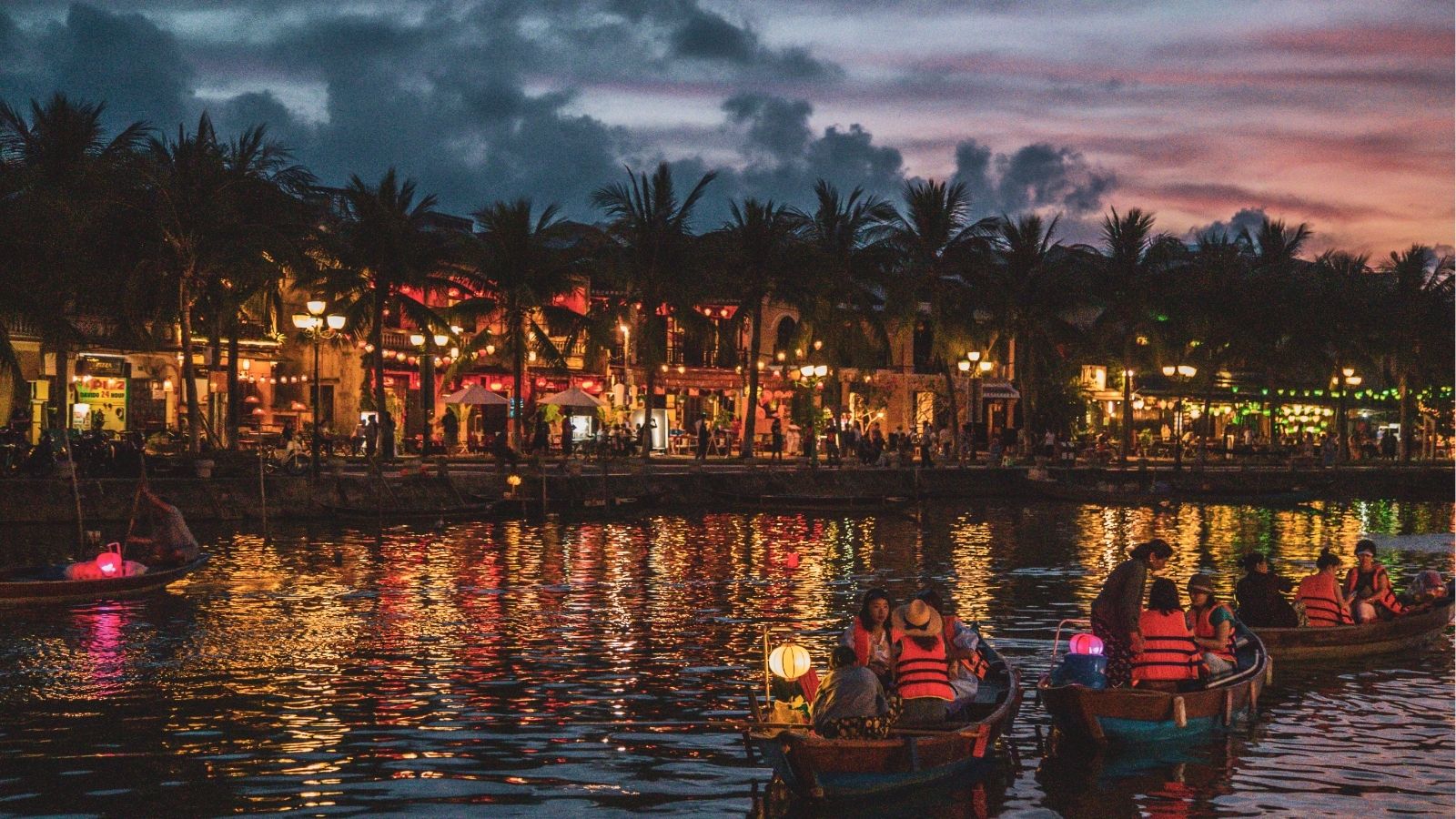
Hoi An becomes particularly atmospheric around sunset, when lanterns illuminate the streets and their reflections shimmer across the Hoai River.
The area around the river grows livelier as evening approaches, with food stalls, souvenir vendors, small boats and street performances. Crossing the bridge to An Hoi leads to the night market and a greater concentration of bars and casual restaurants.
Short lantern-boat rides operate on the river throughout the evening. Agree on the price and length of the ride before boarding, especially during busy periods.
Hoi An is beautiful after dark, but it can also become crowded. For a more relaxed experience, enjoy the Ancient Town in the early morning and return at dusk to see the lanterns.
Hoi An Lantern Festival
A more traditional lantern celebration takes place on the 14th day of each lunar month, around the time of the full moon. Electric lighting is reduced in parts of the old centre and candlelit lanterns become the focus of the evening.
The monthly event is popular, so accommodation and central restaurants can be busier than usual. Check the lunar calendar carefully, as the date changes each month. Vietnam’s official tourism website confirms the festival’s lunar schedule.
Relax at An Bang Beach
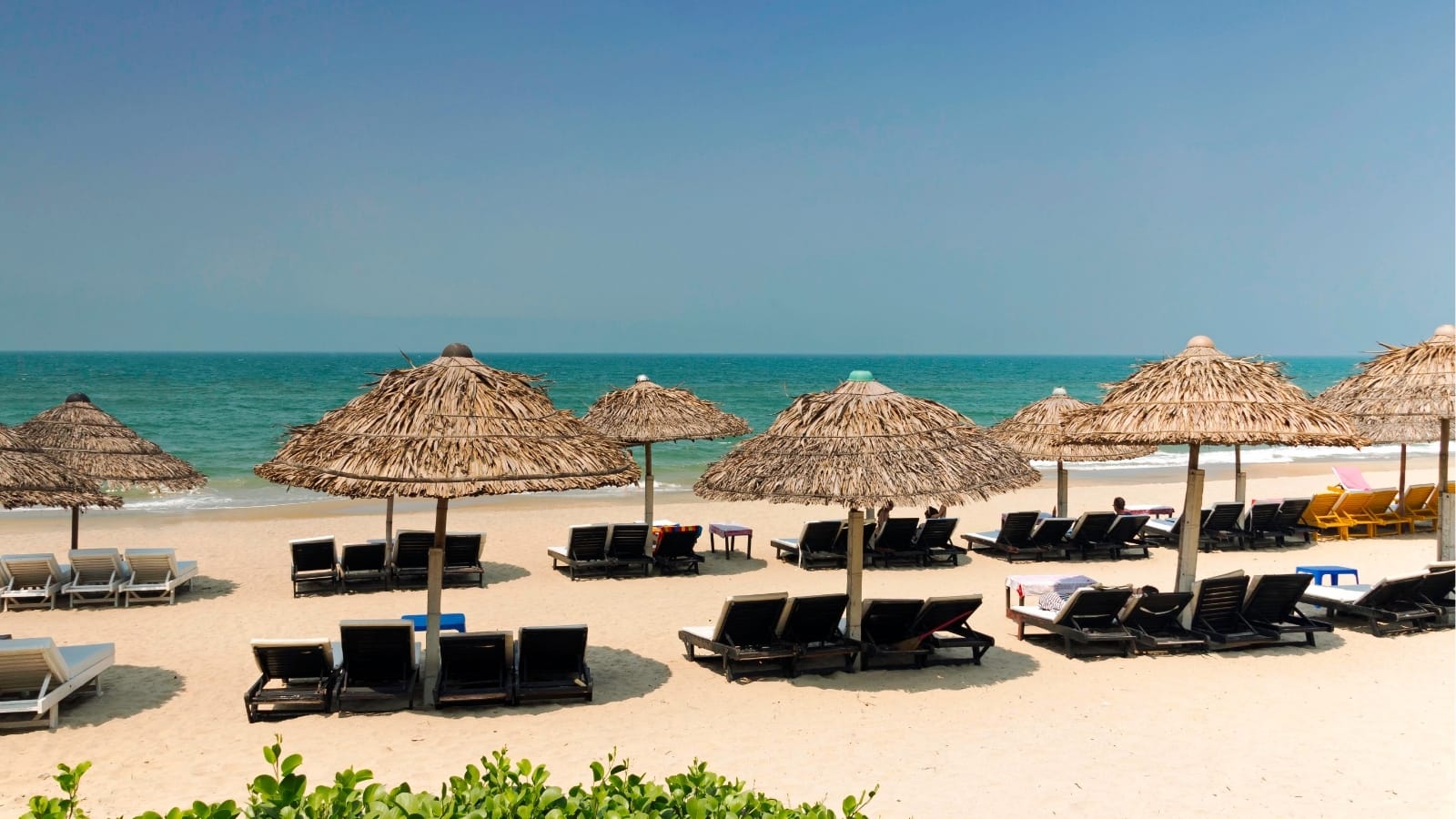
An Bang Beach is the most popular seaside escape close to Hoi An. Approximately ten minutes from the Ancient Town by car, depending on traffic, it offers a long stretch of sand backed by seafood restaurants, cafés and beach bars.
The atmosphere changes throughout the day. Early mornings are relatively peaceful, while afternoons and weekends tend to be livelier. Many beachfront venues provide sun loungers for customers who order food or drinks, although individual policies vary.
Sea conditions are generally at their most inviting during the drier months. Swimming may be restricted when waves and currents are strong, so follow local warning signs and lifeguard advice.
Cua Dai Beach is another option closer to the mouth of the Thu Bon River. Coastal conditions and sand levels can vary, but several resorts and quieter sections of beach are found in this area.
Cycle through the countryside
One of the best ways to appreciate Hoi An is to leave the historic centre behind for a few hours. Quiet lanes lead through rice paddies, small villages, waterways and vegetable gardens, offering a very different perspective on local life.
Tra Que Vegetable Village is a popular destination for cycling trips and farming experiences. Visitors can learn about the herbs and vegetables used in regional cooking, with some tours combining garden activities with a cooking class or meal.
You can hire a bicycle independently or join a guided countryside tour. Start early to avoid the strongest heat and bring water, sun protection and something to cover your shoulders.
Visit Cam Thanh Coconut Village
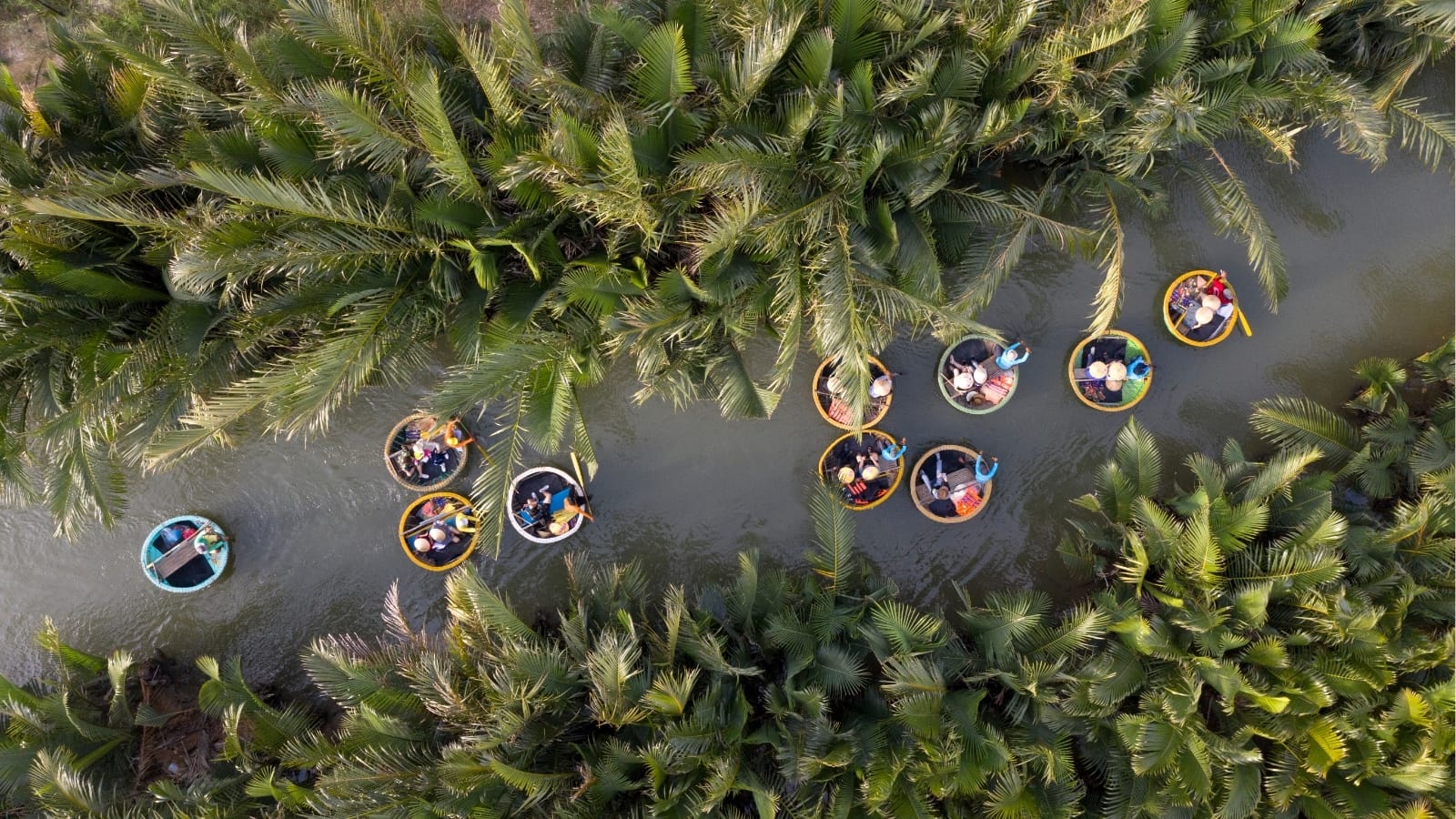
Cam Thanh is known for the Bay Mau coconut forest, a landscape of nipa palms and narrow waterways a few kilometres from central Hoi An.
Basket-boat trips have become the area’s best-known activity. Some excursions are peaceful journeys through the palms, while others include music, performances and energetic boat spinning. Experiences differ considerably, so choose an operator that matches the atmosphere you want.
For a quieter visit, go early and ask specifically for a relaxed nature-focused trip. Confirm whether transport, entrance charges and boat fees are included in the quoted price.
Join a cooking class
Hoi An is one of Vietnam’s most popular places to take a cooking class. Many begin with a visit to a market, followed by a boat or road transfer to a garden or countryside kitchen.
Menus vary but may include fresh spring rolls, savoury pancakes, noodle dishes and dipping sauces. Smaller classes generally provide more time with the instructor, while vegetarian and vegan menus are widely available when arranged in advance.
A class can be a worthwhile experience even for travellers who rarely cook, offering an introduction to Vietnamese ingredients, flavours and food traditions.
Discover Hoi An’s tailoring and crafts
Hoi An has a long-established tailoring industry, with shops producing made-to-measure suits, dresses, shirts, shoes and accessories.
Quality, materials and prices vary significantly. Check recent reviews, examine sample garments and discuss every detail before placing an order. Allow enough time for at least one or two fittings rather than ordering shortly before departure. Bringing photographs of the style you want can help, but listen to advice about which fabrics and cuts will work best.
Lantern-making, leatherwork, pottery and jewellery workshops provide alternatives for visitors who would rather make a souvenir themselves. Nearby Thanh Ha Pottery Village is known for its long-standing ceramic traditions, while Kim Bong village is associated with carpentry and woodcraft.
What to eat in Hoi An
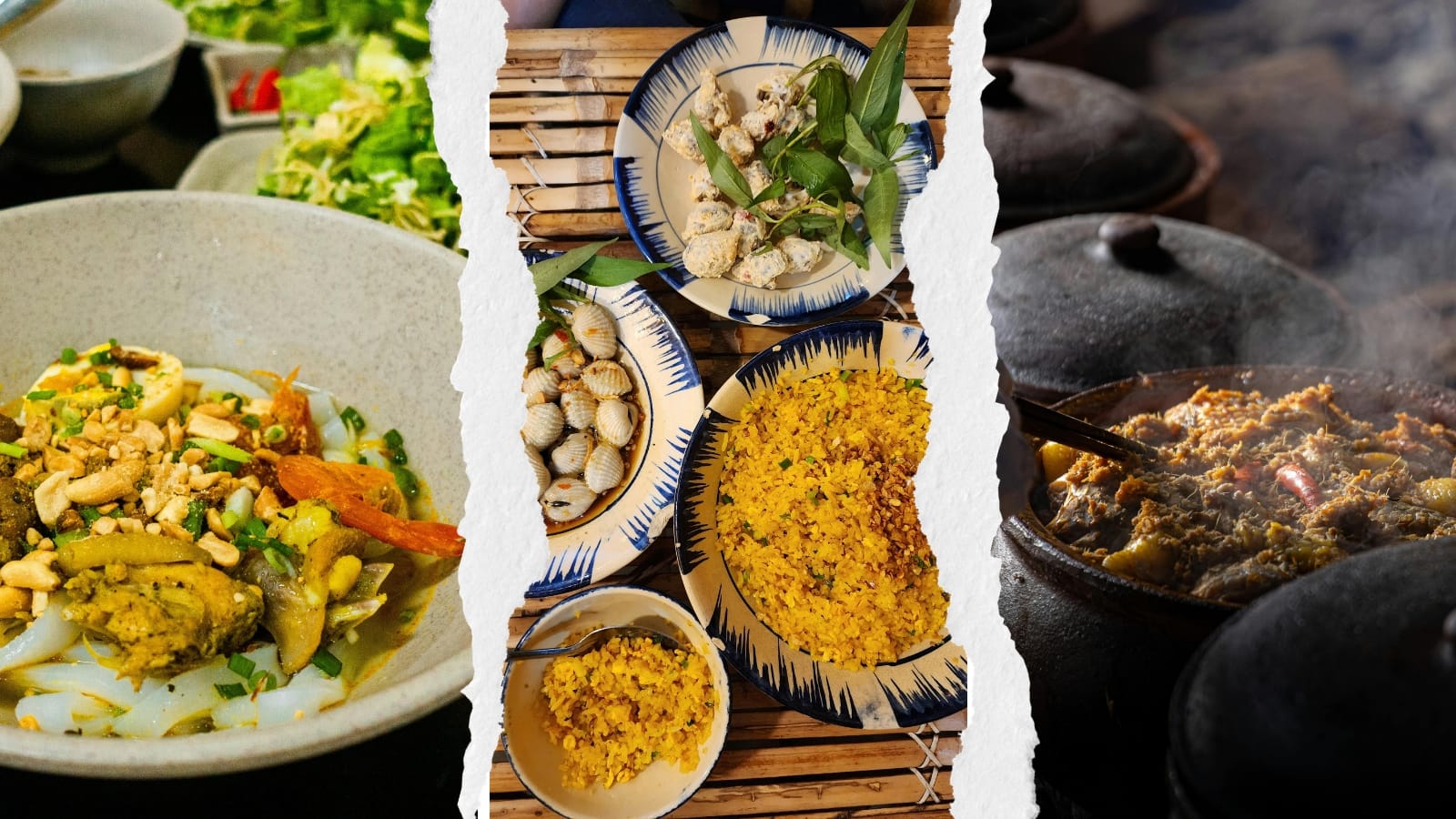
Hoi An’s food is one of the strongest reasons to extend your stay. Local cooking combines fresh herbs, seafood, pork, rice, noodles and influences developed through centuries of trade.
Dishes to look for include:
- Cao lau: Thick, chewy noodles traditionally served with slices of pork, greens, herbs and crispy toppings. It is Hoi An’s signature dish.
- White rose dumplings: Delicate steamed rice-flour dumplings filled with seasoned shrimp or pork and topped with crispy shallots.
- Com ga: Hoi An-style chicken rice, usually served with shredded chicken, herbs, onions and a flavourful dressing.
- Mi Quang: A regional noodle dish served with herbs, meat or seafood, peanuts, rice crackers and a small amount of intensely flavoured broth.
- Hoanh thanh: Wontons served fried, in soup or with a savoury topping.
- Banh mi: Vietnamese baguettes filled with combinations of meat, pâté, herbs, pickled vegetables and sauces.
The Ancient Town has everything from market stalls to polished restaurants, but some of the best-value meals can be found a few streets outside the busiest tourist area.
Where to stay in Hoi An
Choosing the right area can shape your experience.
Ancient Town and surrounding streets
Stay close to the historic centre if you want to explore primarily on foot and enjoy easy access to restaurants, shops and the riverside. The trade-off is more evening noise and higher visitor numbers.
An Hoi
Located across the river from the Ancient Town, An Hoi is convenient for the night market and evening entertainment. It works well for travellers who enjoy being close to the action but may feel busy at night.
Cam Chau
Cam Chau provides a useful balance between town and countryside. Its hotels, villas and homestays are within cycling distance of the centre, with rice-field views available in some areas.
Cam Thanh
Choose Cam Thanh for a greener, more secluded setting among palms and waterways. Resorts and private-pool villas are common, although taxis or bicycles may be needed to reach the Ancient Town.
An Bang and Cua Dai
The coastal areas suit travellers who prioritise beach time. An Bang has a sociable collection of restaurants and bars, while parts of Cua Dai offer a more resort-oriented stay. It is easy to visit the Ancient Town by taxi or ride-hailing service.
Best day trips from Hoi An
My Son Sanctuary
My Son Sanctuary is one of central Vietnam’s most important archaeological sites. Located around 40 kilometres from Hoi An, it contains the remains of Hindu tower-temples built by the Champa civilisation.
The setting, surrounded by forested hills, adds to the atmosphere. Visit early to avoid the strongest heat and consider hiring a knowledgeable guide, as understanding the site’s history makes the experience considerably more rewarding.
My Son was added to the UNESCO World Heritage List in 1999 and represents the religious and political centre of the former Champa Kingdom. UNESCO dates the wider culture represented at the site from the 4th to the 13th centuries.
Cham Islands
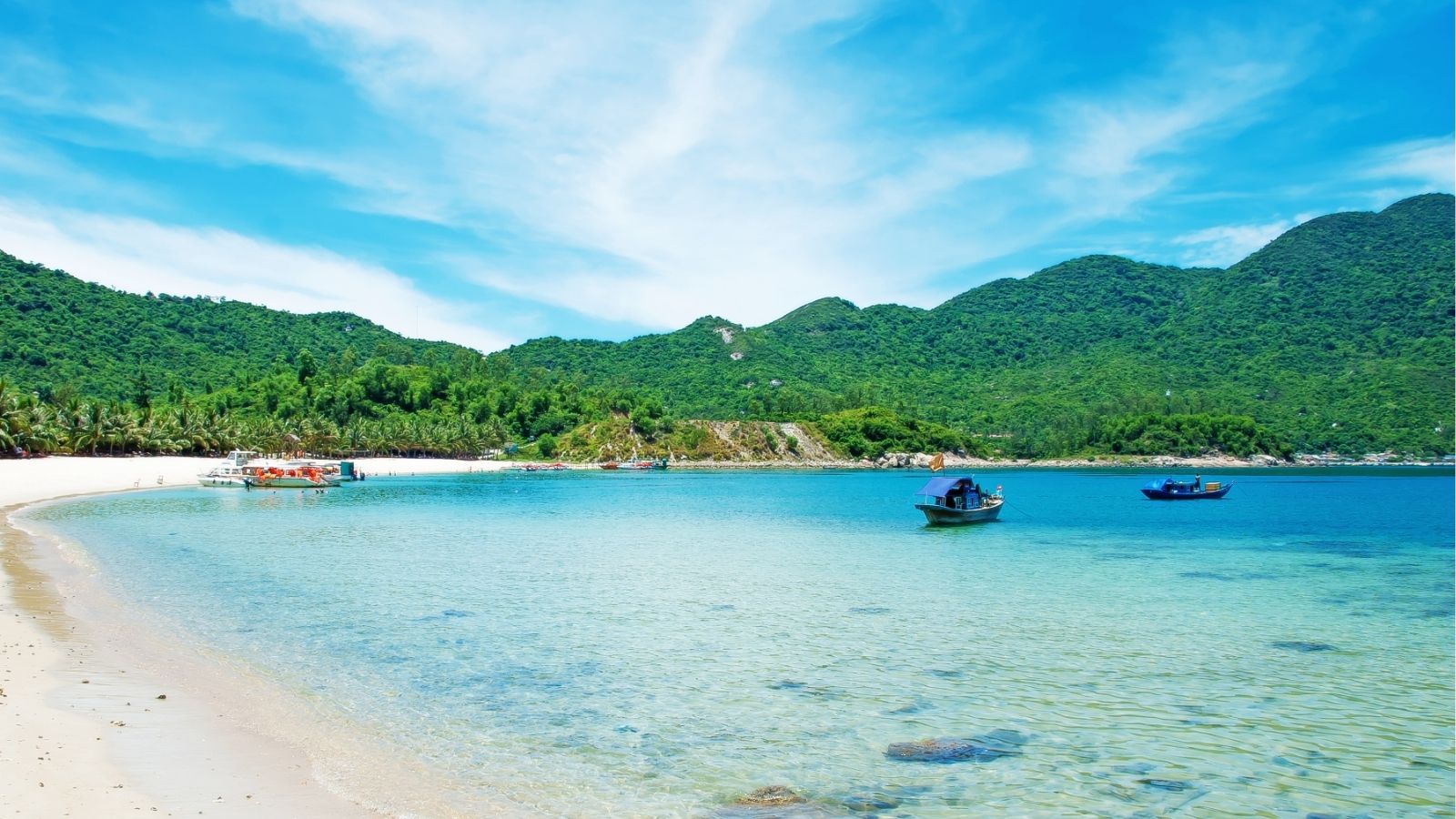
The Cham Islands, or Cu Lao Cham, offer beaches, marine scenery, snorkelling and insights into island life. Speedboats generally depart from Cua Dai, with journeys taking approximately 15 to 20 minutes in suitable conditions.
March to August normally brings the most reliable weather and calmer seas. Boat services can be disrupted during the wetter months, so do not build an inflexible itinerary around an island trip. Plastic bags are restricted on the islands, and visitors should avoid touching coral or removing marine life. Official Cham Islands visitor information includes seasonal and environmental guidance.
Da Nang and the Marble Mountains
Da Nang is close enough for a straightforward half-day or full-day trip. Attractions include the Marble Mountains, My Khe Beach, the Museum of Cham Sculpture and the city’s riverside bridges.
The Marble Mountains lie between Hoi An and central Da Nang, making them easy to combine with an airport transfer or city visit. Expect steps, caves and uneven surfaces, and wear shoes with reliable grip.
Hue
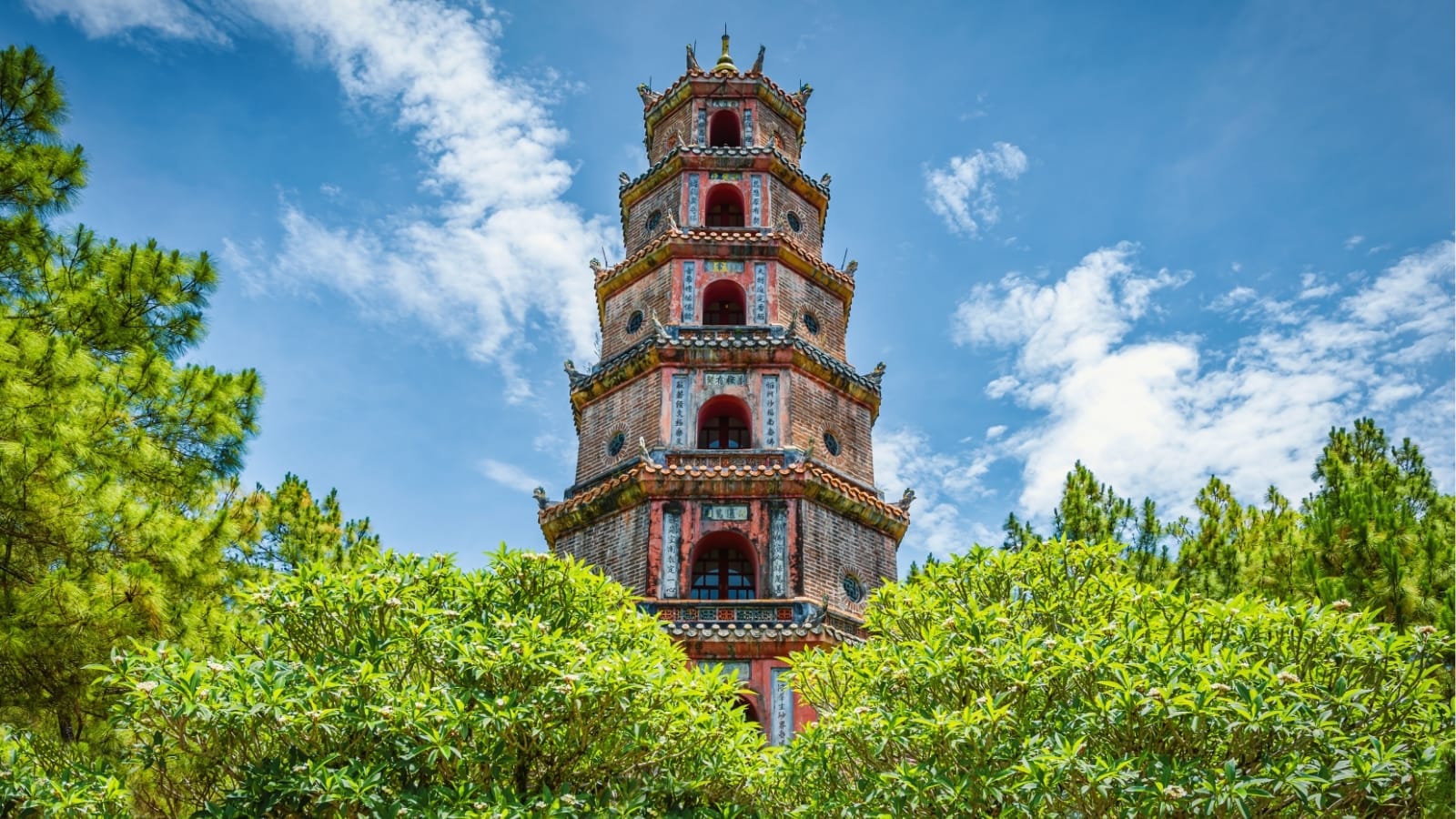
The former imperial capital of Hue can be visited on a long day trip, but an overnight stay is preferable if time allows. Travelling via the Hai Van Pass provides spectacular coastal and mountain scenery in clear weather.
Best time to visit Hoi An
March to May is generally the most comfortable period, with warm weather suited to walking, cycling and beach visits.
June to August is usually drier but can be extremely hot and humid. Plan outdoor sightseeing for early morning and late afternoon.
September to January brings the wettest conditions, with the possibility of tropical storms, prolonged rain and localised flooding. October and November are often the most unsettled months. Seasonal flooding can affect streets in low-lying parts of the Ancient Town.
February can be a pleasant transitional month, although weather patterns vary from year to year.
Vietnam’s official tourism guidance identifies March to May as a particularly favourable period and advises visitors to expect rain and storms between October and January. Check the latest Hoi An weather overview before travelling.
How many days do you need in Hoi An?
Three or four nights is a good starting point for most visitors. This allows time to explore the Ancient Town, enjoy the food, visit the beach and spend a morning in the countryside without rushing.
Stay for five nights or longer if you want to add My Son, the Cham Islands, several workshops or dedicated resort time. Hoi An also works well as a slower stop between the busier cities of Hanoi, Ho Chi Minh City and Da Nang.
Getting to Hoi An
Hoi An does not have its own airport or railway station.
By air: Da Nang International Airport is the closest airport. The drive to Hoi An generally takes around 45 to 60 minutes, depending on traffic and the location of your accommodation.
By train: The nearest major railway station is in Da Nang. From there, continue by pre-booked transfer, taxi, shuttle or ride-hailing service.
By road: Buses and shuttle vans connect Hoi An with Da Nang, Hue and other Vietnamese destinations. Journey times can vary, so compare the convenience of door-to-door transfers with larger scheduled buses.
Arrange your airport transfer in advance if arriving late at night, and confirm whether the quoted price includes tolls or additional hotel charges.
Getting around Hoi An
Walking is the easiest way to explore the Ancient Town. Pedestrian and non-motorised vehicle zones operate during set hours, helping to reduce traffic in the historic centre.
Bicycles are ideal for short journeys to rice fields and nearby villages, while taxis and ride-hailing apps are convenient for the beaches and outlying hotels. Motorbikes offer more independence but should only be used by travellers with the correct licence, insurance and experience of Vietnamese traffic.
Distances may look short on a map, but heat and humidity can make midday walking tiring.
Practical travel tips
- The local currency is the Vietnamese dong. Carry smaller notes for markets, street food and short journeys.
- Cards are accepted by many hotels, tailors and larger restaurants, but cash remains useful.
- Dress respectfully when entering temples, assembly halls and active places of worship.
- Use sunscreen, drink plenty of water and plan breaks during the hottest part of the day.
- Mosquito repellent is useful, particularly near waterways and during the wetter months.
- Agree on prices before accepting boat trips, cyclo rides or services without clearly displayed rates.
- Purchase tours through reputable operators and confirm exactly what is included.
- Follow swimming warnings and avoid entering the sea during rough conditions.
- During the rainy season, allow flexibility for transport delays and cancelled island trips.
Is Hoi An worth visiting?
Hoi An’s popularity means the Ancient Town is no longer an undiscovered destination, and its busiest streets can feel crowded after sunset. However, visit early in the morning, explore beyond the central lanes and give yourself enough time to experience the countryside and coast, and its appeal becomes easy to understand.
Few destinations combine historic architecture, excellent regional food, beaches, rural scenery and hands-on cultural experiences within such a compact area. Whether you stay for a weekend or a full week, Hoi An offers far more than a quick photograph beneath the lanterns.