Krabi Travel Guide: Beaches, Islands and Things to Do
Plan your visit to Krabi with our guide to its best beaches, tropical islands, natural attractions, activities, places to stay and essential travel tips.
Updated
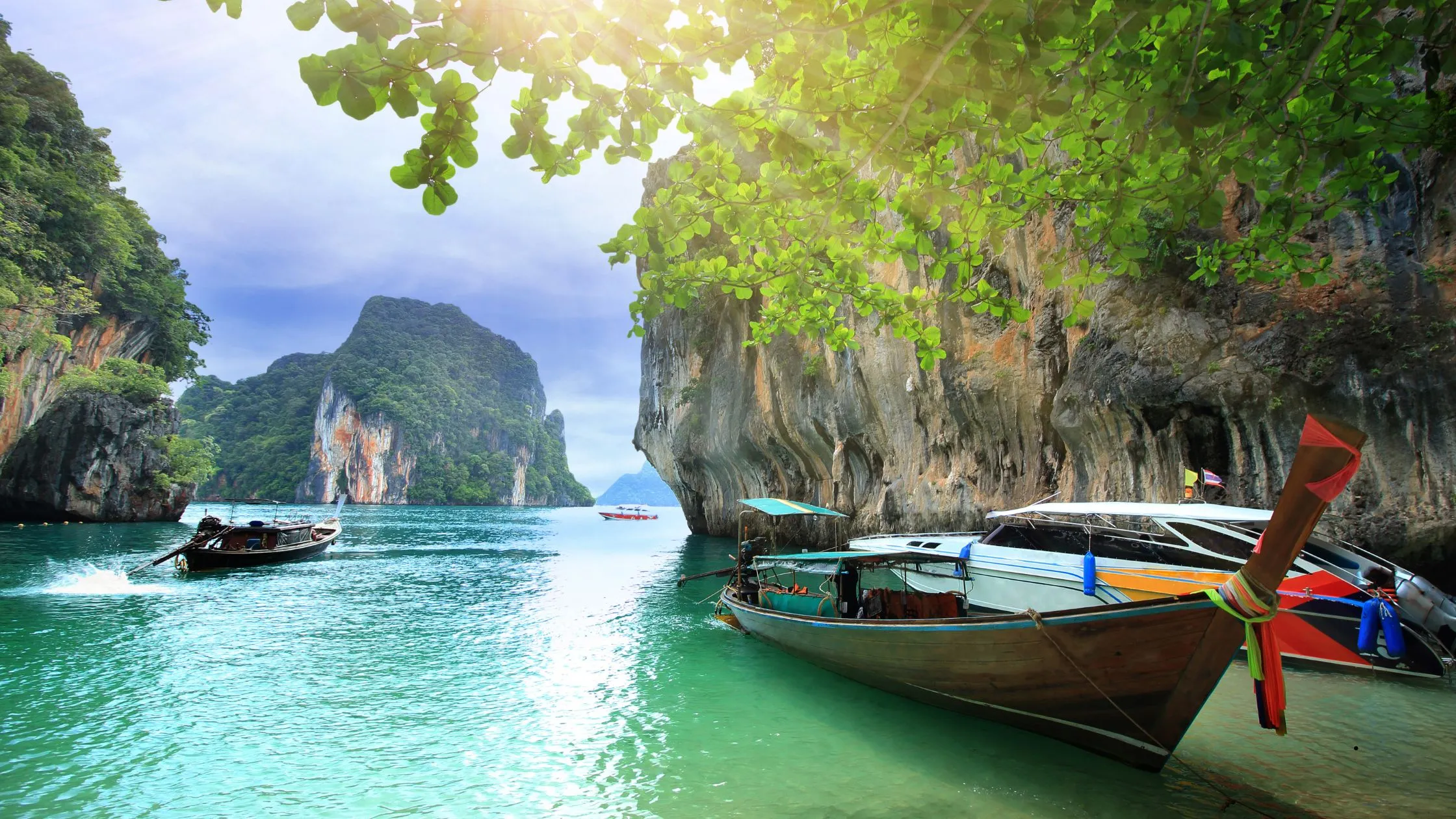
With towering limestone cliffs, tropical islands and calm turquoise bays, Krabi is one of southern Thailand’s most striking destinations. Yet there is considerably more to the province than its famous coastline.
Venture inland and you will discover jungle trails, natural swimming pools, hot springs, Buddhist temples and communities offering a more relaxed alternative to Thailand’s busiest resort areas. Whether you want to spend your days island-hopping, try rock climbing at Railay Beach or simply watch the sun set over the Andaman Sea, Krabi makes an excellent choice for a short break or a longer tropical escape.
Where is Krabi?
Krabi is a province on Thailand’s Andaman coast, east of Phuket and south of Phang Nga. The name can be slightly confusing because it refers to both the wider province and Krabi Town, its administrative centre.
The province encompasses several mainland resort areas, more than 100 offshore islands and well-known destinations including Ao Nang, Railay, the Phi Phi Islands and Koh Lanta. Visitors can therefore experience very different styles of holiday without leaving Krabi.
The main areas of Krabi
Ao Nang
Ao Nang is Krabi’s principal mainland resort and the most convenient base for first-time visitors. Its main road has a broad selection of hotels, restaurants, cafés, shops and tour operators, while longtail boats depart from the beachfront for Railay and nearby islands.
Ao Nang Beach is pleasant for walking and watching the sunset, although it is not necessarily Krabi’s finest beach for swimming. Its main advantage is location: visitors can easily arrange island tours, inland excursions and boat transfers while still having plenty of places to eat and drink in the evening.
Neighbouring Nopparat Thara Beach offers a longer and generally more spacious stretch of coastline. At low tide, the sea retreats to reveal wide areas of sand and shallow water, making it particularly atmospheric around sunset.
Railay
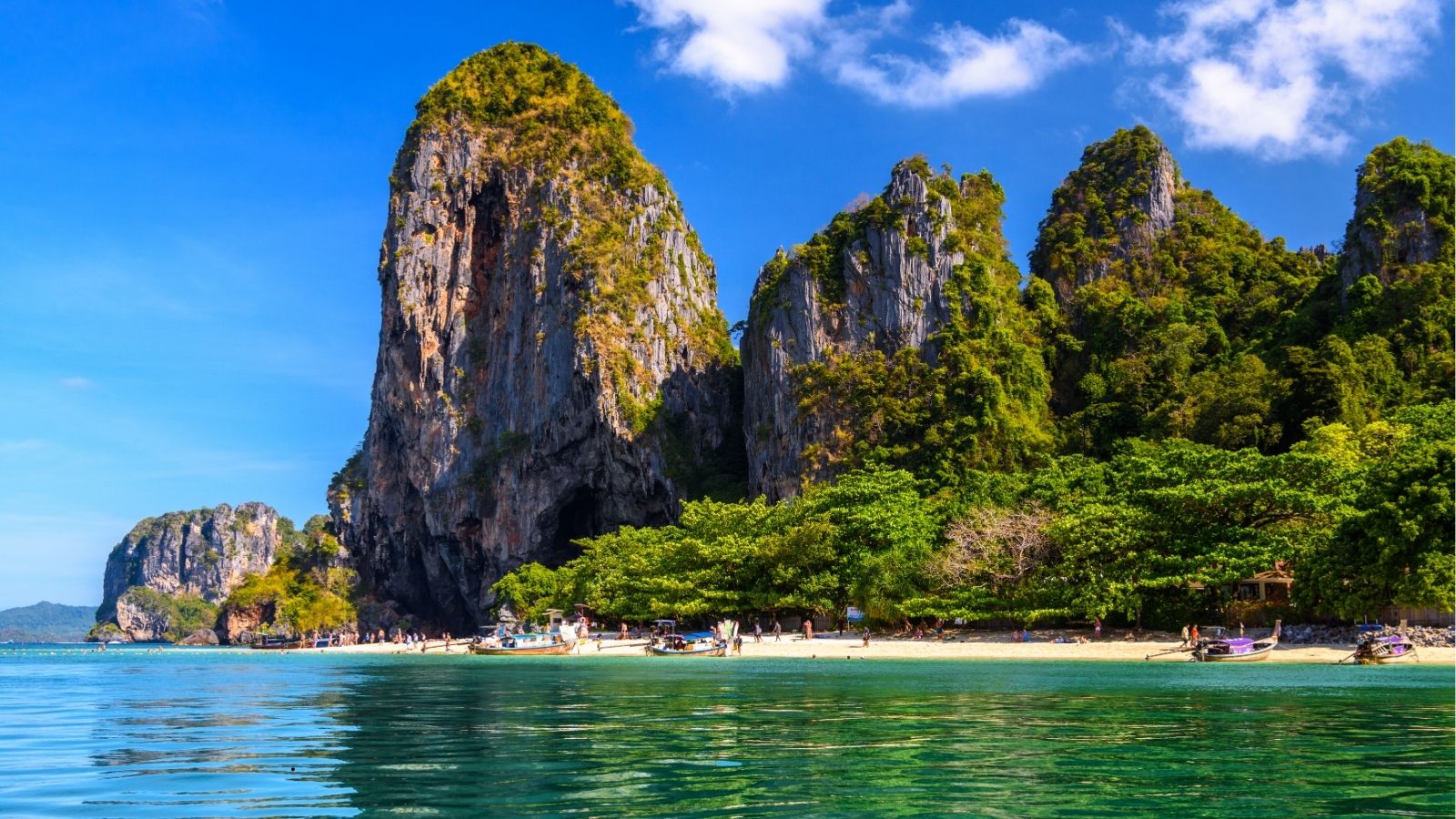
Although Railay forms part of the mainland, high limestone cliffs separate the peninsula from the surrounding road network. As a result, it can only be reached by boat, helping it retain the feel of a small tropical island.
Railay West is known for its sandy beach, dramatic scenery and sunset views, while Railay East is lined with mangroves and serves as an arrival point for some boats. A walking path leads around the peninsula to Phra Nang Beach, where limestone formations rise directly from the sea. Railay is also one of Thailand’s best-known rock-climbing destinations. Routes are available for different ability levels, but beginners should book with an established climbing school and use appropriate safety equipment.
Day trips are possible, but staying overnight allows you to enjoy Railay early in the morning and after many of the excursion boats have departed.
Krabi Town
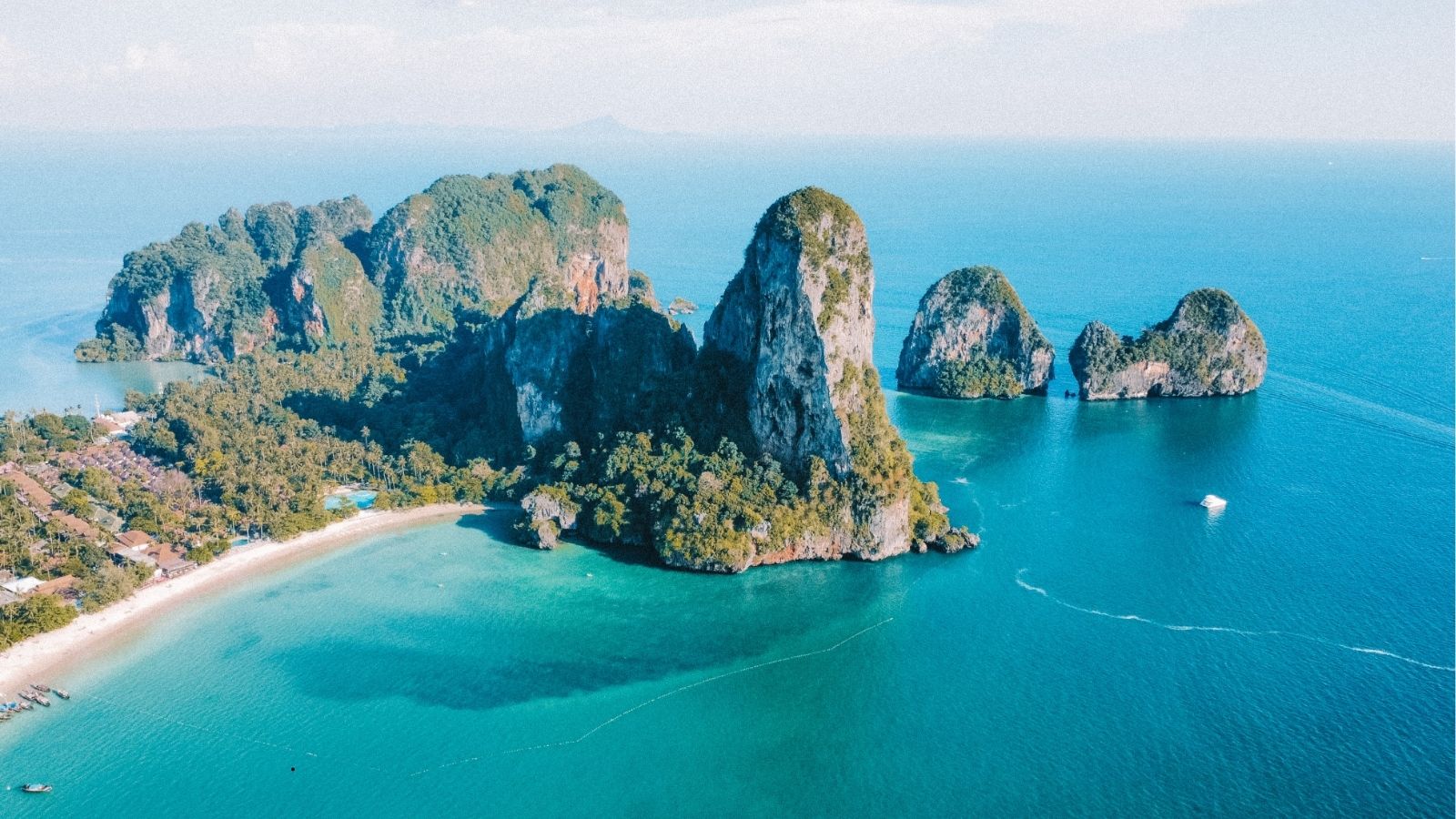
Krabi Town offers a more local atmosphere than Ao Nang. Although it does not have a swimming beach, it is a useful base for exploring the province and is worth visiting for its markets, cafés, riverside setting and southern Thai food.
The town’s distinctive traffic lights, riverside sculptures and colourful Wat Kaew Korawaram temple add character. Weekend markets are popular places to sample local dishes, fresh fruit, snacks and desserts, although market days and opening times should be checked locally. From the riverfront, visitors can take a longtail boat towards Khao Khanab Nam, the pair of limestone hills considered a natural symbol of Krabi. The area contains caves with stalactites and stalagmites and can be combined with a trip through the surrounding mangroves.
Klong Muang and Tubkaek Beach
Travellers looking for a quieter mainland stay may prefer Klong Muang or Tubkaek Beach, north of Ao Nang. These areas have a more peaceful atmosphere, attractive coastal scenery and a selection of upscale resorts. There are fewer shops and independent restaurants than in Ao Nang, so they are best suited to visitors who value relaxation over nightlife and convenience. Tubkaek is particularly appealing at sunset, when the offshore limestone islands are silhouetted against the evening sky.
Koh Lanta
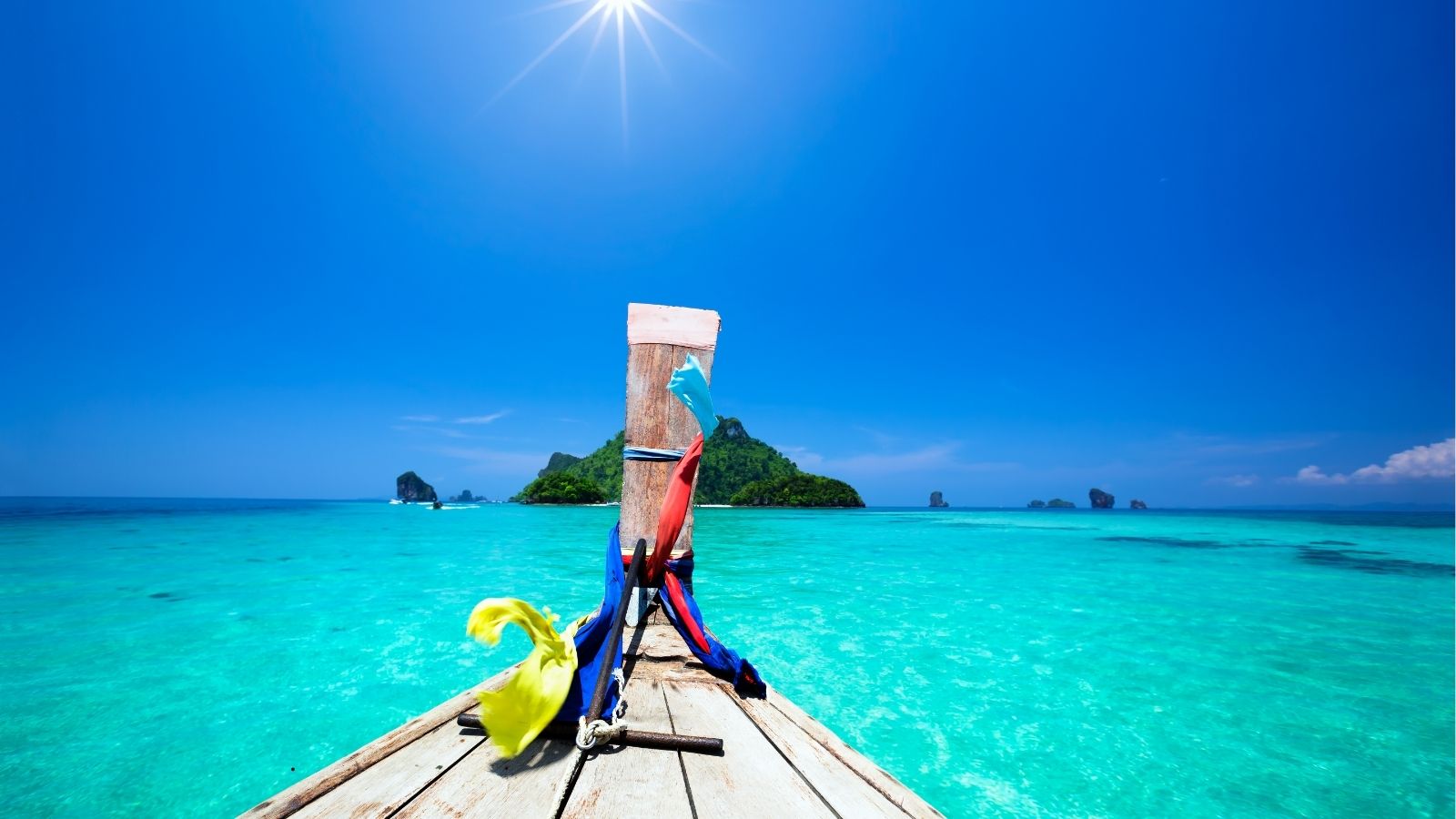
Located in southern Krabi province, Koh Lanta offers a slower pace and is particularly well suited to longer stays. Koh Lanta Yai, the main visitor island, has an extended west coast dotted with beaches, resorts and relaxed restaurants.
The northern beaches offer easier access to the island’s main facilities, while the south generally feels quieter and more remote. Away from the coast, visitors can explore Lanta Old Town, mangrove communities and Mu Ko Lanta National Park. Journey times and ferry connections vary by season, so Koh Lanta is better treated as a separate destination rather than a quick outing from Ao Nang.
The best things to do in Krabi
Take a Four Islands tour
The Four Islands tour is one of Krabi’s most popular day trips. Typical itineraries include Koh Poda, Chicken Island and the smaller islands of Tup and Mor, although stops can change according to tides, sea conditions and the operator. Highlights can include swimming, snorkelling, beach time and the sandbar connecting some of the islands at low tide. Tours depart by traditional longtail boat or speedboat, with speedboats generally offering shorter journey times and longtail boats providing a more traditional experience.
Explore the Hong Islands
The Hong Islands are known for limestone cliffs, clear water and a sheltered lagoon reached through a narrow entrance. Koh Hong also has a sandy beach and a viewpoint reached by a staircase.\
These protected islands form part of Than Bok Khorani National Park, and visitor access may be affected by weather, conservation measures or national-park regulations. Going early can help you experience the scenery before the busiest tour groups arrive.
Visit the Phi Phi Islands
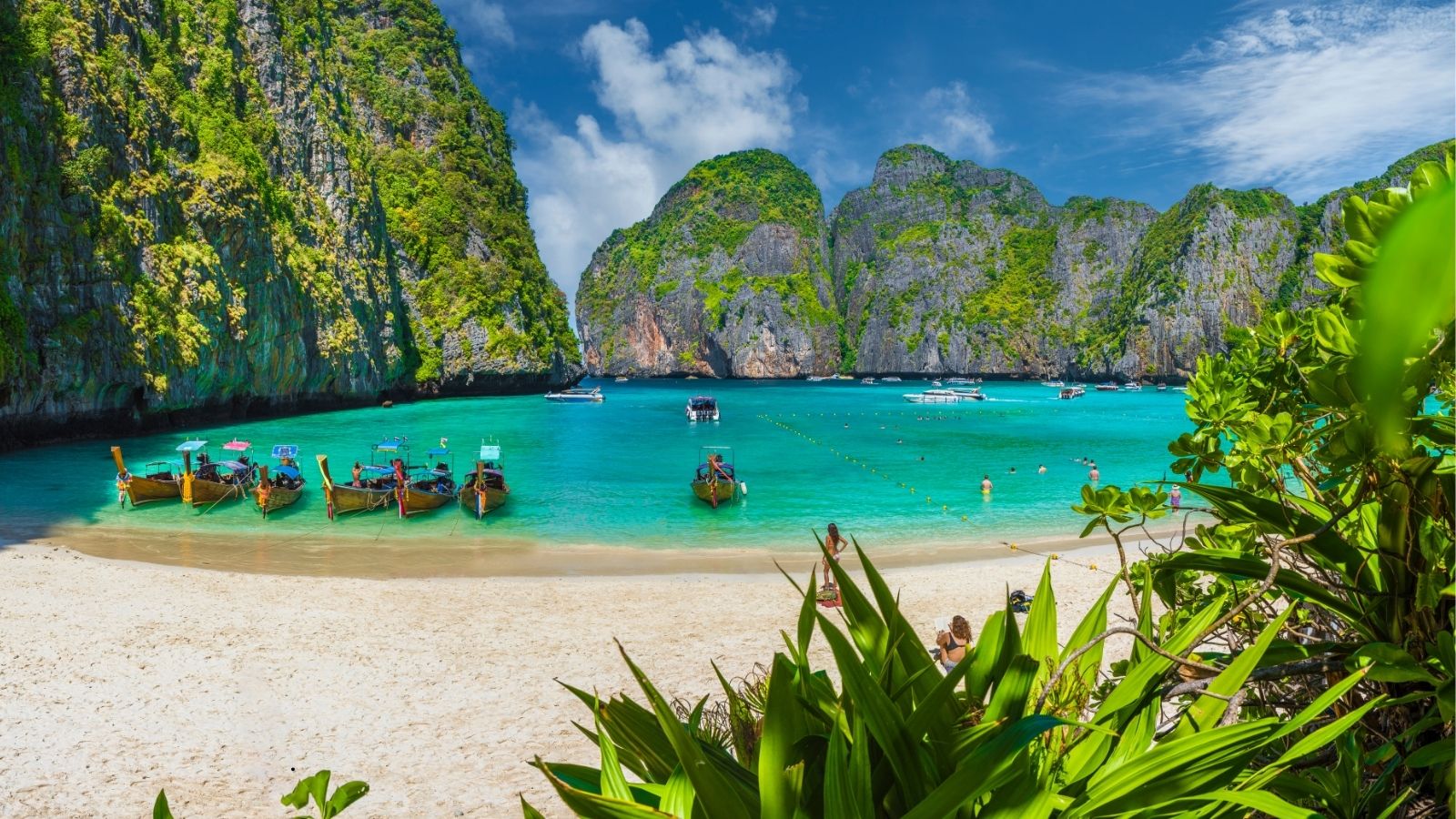
The Phi Phi archipelago belongs to Krabi province and can be visited on a day tour or as part of a longer stay. Koh Phi Phi Don is the group’s inhabited island, while neighbouring Phi Phi Leh contains Maya Bay and several protected coves.
Maya Bay is managed as part of Hat Noppharat Thara–Mu Ko Phi Phi National Park. Swimming directly from its beach is restricted, and the bay normally closes seasonally to support ecological recovery. Current access rules and closure dates should always be checked before booking, as national-park arrangements can change.
Swim at the Emerald Pool
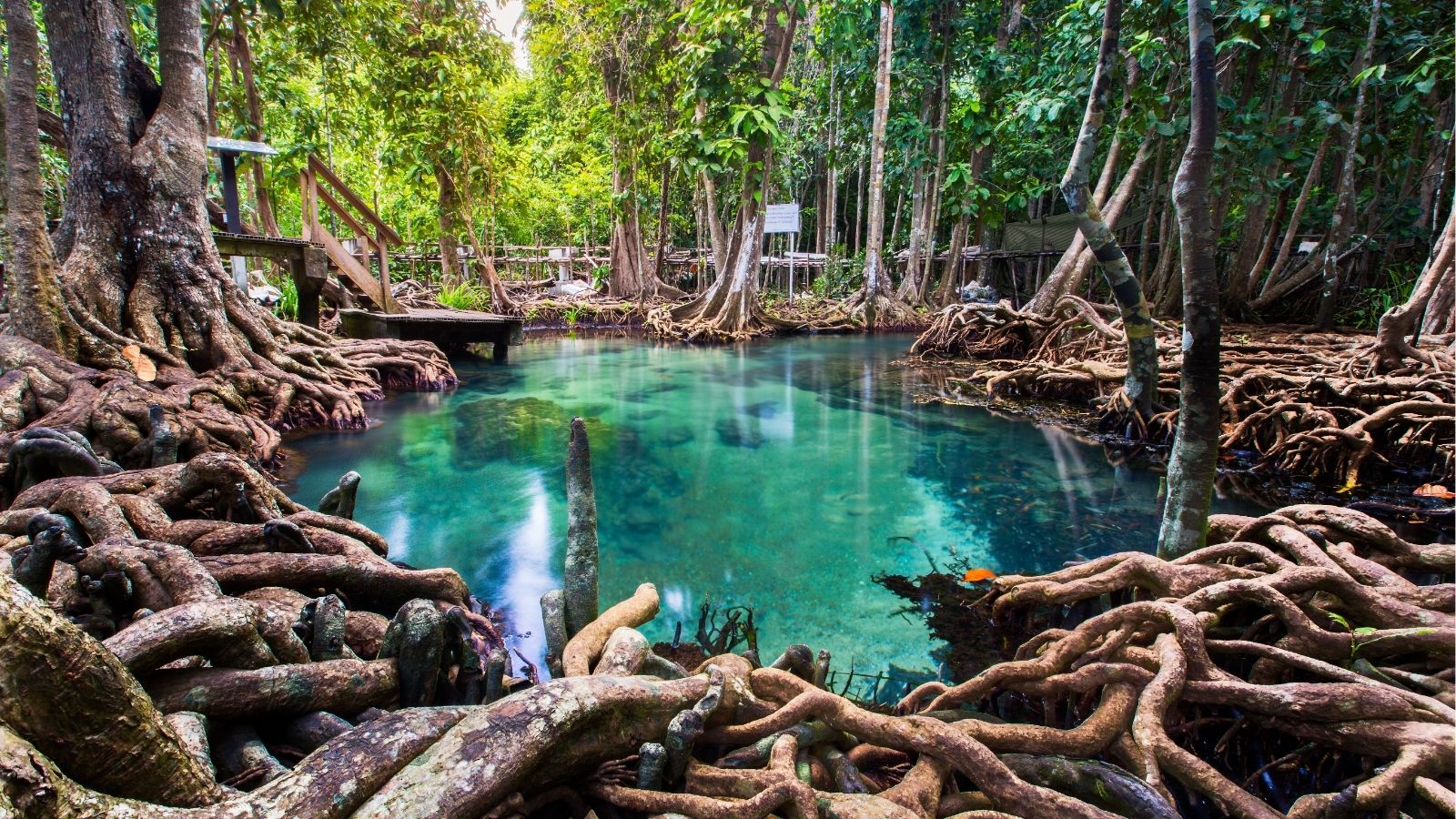
Hidden within the forest of Khao Pra-Bang Khram Wildlife Sanctuary, the Emerald Pool is a naturally coloured freshwater pool reached along walking trails through lowland forest. The vivid colour can vary with the light and water conditions, but the surrounding woodland makes the journey worthwhile. Arriving early offers a better chance of avoiding the busiest period and the strongest midday heat. Visitors should observe signs indicating where swimming is permitted and avoid applying oils or lotions immediately before entering the water. Tourism Authority of Thailand
Relax at the Hot Spring Waterfall
Krabi’s Hot Spring Waterfall, or Namtok Ron, is located in the Khlong Thom area and is commonly combined with the Emerald Pool. Naturally heated mineral water flows over smooth rock formations, creating a series of warm pools surrounded by tropical vegetation. The rocks can be slippery and the water may feel extremely warm in hot weather, so take care when entering and follow any on-site guidance.
Climb to the summit at Tiger Cave Temple
Wat Tham Suea, better known as Tiger Cave Temple, is one of Krabi’s most important religious sites. Its hilltop viewpoint is reached by a demanding staircase of more than 1,200 steps, rewarding those who complete it with expansive views across limestone peaks, forests and plains.\
The climb is steep, exposed and physically challenging. Begin early, carry water and wear suitable footwear. As this is an active Buddhist temple, shoulders and knees should be covered in the religious areas. Visitors should also keep food secured and avoid approaching the monkeys found around the lower sections.\
You do not have to complete the climb to appreciate the site. The temple complex, caves and forest surroundings at ground level can also be explored.
Kayak through mangroves and limestone canyons
Krabi’s coastline includes mangrove forests, narrow waterways and limestone canyons that are well suited to kayaking. Ao Thalane is one of the best-known locations, while Bor Thor offers routes incorporating caves and archaeological sites.\
Spring-fed Khlong Root, sometimes called Clear Water Canal, provides a different experience, with kayaking and swimming amid freshwater channels and tropical vegetation. Conditions can be influenced by tides, rainfall and water levels, so travelling with an experienced local guide is advisable.
Hike through Krabi’s natural landscapes
Beyond the beaches, Krabi has several rewarding walking areas. Khao Phanom Bencha National Park features rainforest, wildlife and waterfalls, including the multi-tiered Huai To Waterfall. The Dragon Crest Mountain trail, also known as Khao Ngon Nak, is popular for its elevated views over the surrounding karst landscape and coastline. It is a strenuous hike rather than a casual walk, and access can change because of weather, trail maintenance or park rules. Check locally before travelling, start early and take sufficient water.
Beaches in Krabi
Krabi’s beaches vary considerably, so the right choice depends on how you want to spend your holiday.
- Railay West: Best for dramatic scenery, swimming and sunsets.
- Phra Nang Beach: A beautiful cove framed by limestone cliffs, but often busy during day-trip hours.
- Nopparat Thara Beach: Spacious at low tide and convenient for Ao Nang.
- Klong Muang Beach: A quieter choice with a relaxed resort atmosphere.
- Tubkaek Beach: Known for peaceful surroundings and views towards the offshore islands.
- Koh Lanta’s west coast: Offers a choice of long beaches ranging from lively to secluded. Sea conditions, water clarity and beach width can vary with the season and tide. Always follow warning flags, particularly during the wetter months.
When is the best time to visit Krabi?
Krabi has a tropical climate and remains warm throughout the year. The drier period generally runs from around November to April. This is the most popular time for beach holidays, boat trips and snorkelling, with February and March often bringing particularly hot and sunny conditions. Christmas, New Year and the European winter months are also among the busiest and most expensive times to visit.\
The southwest monsoon usually influences Krabi from approximately May to October. This does not necessarily mean continuous rain: visitors can still experience sunny periods, quieter beaches and lower accommodation prices. However, heavy showers, rougher seas and changes to boat schedules are more likely.\
Some islands, bays and national-park attractions close seasonally for safety and environmental recovery. Conditions can also lead to short-notice changes, so confirm boat departures and park access close to your travel date.
How long should you spend in Krabi?
Three nights will give you time to see Ao Nang or Railay and take one island tour, but four to seven nights provides a much better introduction. A balanced five-day visit could include:
- Day 1: Arrive and explore Ao Nang or Krabi Town.
- Day 2: Visit Railay and Phra Nang Beach.
- Day 3: Take a Four Islands or Hong Islands tour.
- Day 4: Visit the Emerald Pool, hot springs and Tiger Cave Temple.
- Day 5: Relax on the beach or go kayaking before departure. If you plan to include Koh Lanta or stay on the Phi Phi Islands, allow additional time rather than trying to fit everything into consecutive day trips.
Getting to Krabi
Krabi International Airport receives domestic flights and selected international services. Direct routes change seasonally, but connections through Bangkok are widely available. From the airport, travellers can continue by taxi, pre-arranged transfer, shared minivan or airport bus, depending on their destination. Ao Nang is normally around 30 to 45 minutes away by road, while Krabi Town is closer. Allow extra time during busy periods.\
Krabi can also be reached by road from Phuket, Phang Nga, Surat Thani and other parts of southern Thailand. Ferries and speedboats connect Krabi with destinations including Phuket, Koh Phi Phi and Koh Lanta, although some services are seasonal.

Getting around
Songthaews, taxis, shared minivans and app-based transport services operate in the main mainland areas, but availability becomes more limited away from Ao Nang and Krabi Town. Longtail boats provide the most convenient link between Ao Nang and Railay, with the crossing usually taking around 15 minutes in suitable conditions. Boats may wait until enough passengers have gathered, and passengers should expect to step into shallow water when boarding or disembarking at some beaches. Scooters are widely available, but they should only be rented by travellers with the correct licence, suitable insurance and riding experience. Helmets are essential, and extra caution is required during rain.
Food and nightlife
Krabi is an excellent place to sample southern Thai cuisine, which frequently features seafood, coconut milk, turmeric, chilli and aromatic herbs. Look out for grilled fish, crab curries, spicy salads, roti and khanom jeen rice noodles served with a choice of curries. Ao Nang has the broadest selection of international restaurants, casual bars and evening entertainment. Krabi Town is better for markets and local food, while Railay has laid-back beach bars rather than large nightclubs. Koh Lanta combines sunset restaurants with a relaxed nightlife scene concentrated around its busier beaches.
Responsible travel in Krabi
Many of Krabi’s greatest attractions lie within sensitive marine and forest environments. Small choices can help protect them:
- Do not touch or stand on coral.
- Avoid feeding fish, monkeys or other wildlife.
- Use refillable water bottles where facilities allow.
- Take rubbish back to the mainland or dispose of it responsibly.
- Follow marked trails and national-park instructions.
- Choose tour operators that avoid anchoring on reefs.
- Keep a respectful distance from wildlife.
- Do not remove shells, coral or sand from protected areas. Reef-safe sun protection, lightweight clothing and a rash vest can also reduce the need to reapply sunscreen immediately before swimming.
Practical Krabi travel tips
Carry some Thai baht for longtail boats, local markets, smaller restaurants and national-park charges. ATMs are readily available in Ao Nang and Krabi Town but less convenient on remote islands. Mosquito repellent, sun protection and a reusable dry bag are useful additions to your packing list. Travel insurance should cover boat trips, hiking, kayaking, climbing or any other activities you intend to undertake. Travellers should check current passport, visa and arrival requirements before departure. Thailand’s entry rules can change, so consult the latest government travel advice for Thailand rather than relying on older travel posts.
Is Krabi worth visiting?
Krabi is an excellent destination for travellers who want to combine remarkable coastal scenery with outdoor activities and easy access to tropical islands. Ao Nang provides convenience, Railay delivers unforgettable landscapes, Krabi Town introduces a more local side of the province and Koh Lanta offers space to slow down.
It can be busy around the most famous beaches and boat-tour stops, particularly during the high season. However, with a little extra time and careful planning, it is still easy to discover peaceful beaches, forest trails and quiet corners away from the main crowds.\
From limestone cliffs and emerald pools to sunset cruises and island beaches, Krabi showcases many of the experiences that make southern Thailand so rewarding. Start planning your visit and discover which part of this diverse Andaman province is right for you.