Phu Quoc Travel Guide: Beaches, Island Adventures and Local Flavours
Discover the best things to do in Phu Quoc, from beautiful beaches and island-hopping trips to local seafood, forest adventures and spectacular sunsets.
Updated
White-sand beaches, forest-covered hills and fiery sunsets have made Phu Quoc one of Vietnam’s most popular island destinations. Located in the Gulf of Thailand, close to the Cambodian coast, Vietnam’s largest island combines relaxed beach holidays with colourful markets, seafood restaurants, protected natural areas and an expanding collection of modern attractions.
Phu Quoc has changed considerably in recent years. Luxury resorts, theme parks and entertainment complexes now sit alongside fishing communities, pepper farms and traditional fish-sauce producers. This contrast means visitors can shape very different holidays—whether that involves a quiet beachfront escape, family activities, snorkelling trips or a livelier stay close to restaurants and nightlife.
Why visit Phu Quoc?
Beaches remain the island’s biggest attraction, but Phu Quoc offers more variety than its tropical image might suggest.
The west coast is known for sunsets, beach bars and resort-lined stretches of sand, while the southern An Thoi Archipelago provides opportunities for snorkelling and island-hopping. Forest and mountains cover much of the north, and local industries such as fishing, pepper cultivation and fish-sauce production offer glimpses of life beyond the resorts.
Parts of Phu Quoc and its surrounding waters lie within the UNESCO-recognised Kien Giang Biosphere Reserve. The wider reserve protects tropical forests, mangroves, seagrass beds and coral habitats, supporting wildlife that includes marine turtles and dugongs. UNESCO provides further information about the reserve and its ecosystems.
The best beaches in Phu Quoc
Long Beach
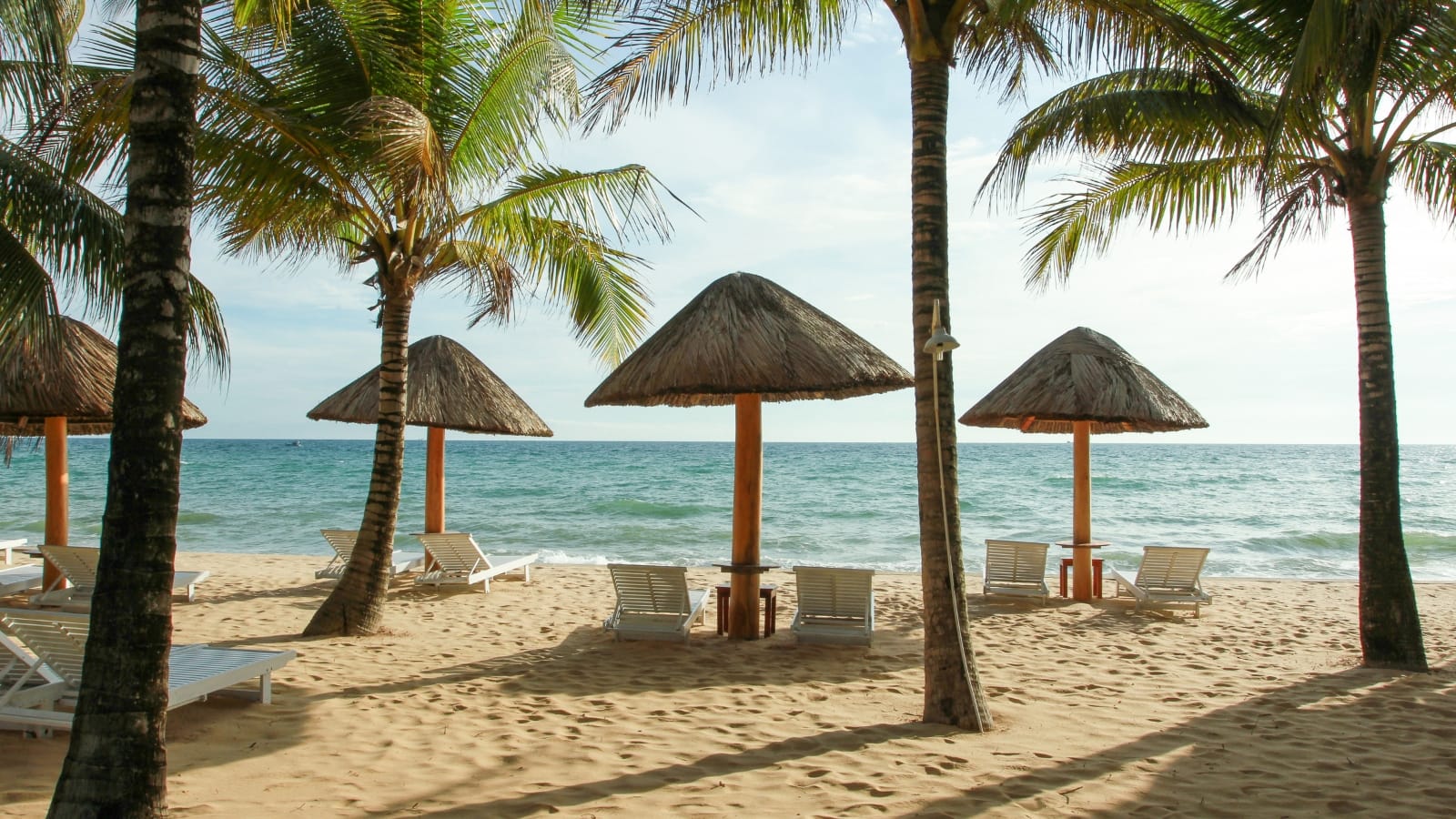
Long Beach, or Bai Truong, stretches along much of Phu Quoc’s southwest coast. Its central and northern sections are convenient for Duong Dong, the airport, restaurants and beach bars, making this one of the easiest areas for first-time visitors.
The beach faces west and is particularly attractive around sunset. Development varies considerably along the coastline, however, so the setting can range from lively hotel zones to quieter resort sections.
Sao Beach
Sao Beach is one of Phu Quoc’s best-known beaches, with pale sand and shallow turquoise water in favourable conditions. It lies on the southeast coast, within reach of many southern-island tours.
The beach can become crowded during busy periods, and its appearance changes with the seasons, tides and weather. Visit earlier in the day for a better chance of finding a quieter spot.
Khem Beach
Khem Beach is a sheltered crescent in southern Phu Quoc. Much of the beachfront is associated with upmarket resorts, although restaurants and accessible sections can also be found in the area.
It is a convenient choice for travellers staying near An Thoi or Sunset Town and works well as part of a day exploring the south.
Ong Lang Beach
Ong Lang, northwest of Duong Dong, offers a generally calmer atmosphere than the busiest parts of Long Beach. Boutique resorts, small hotels and restaurants are spread around several sandy coves rather than one continuous town centre.
This area suits couples and independent travellers who want a relaxed stay while remaining within reasonable reach of Duong Dong.
Ganh Dau, Bai Dai and the northern beaches
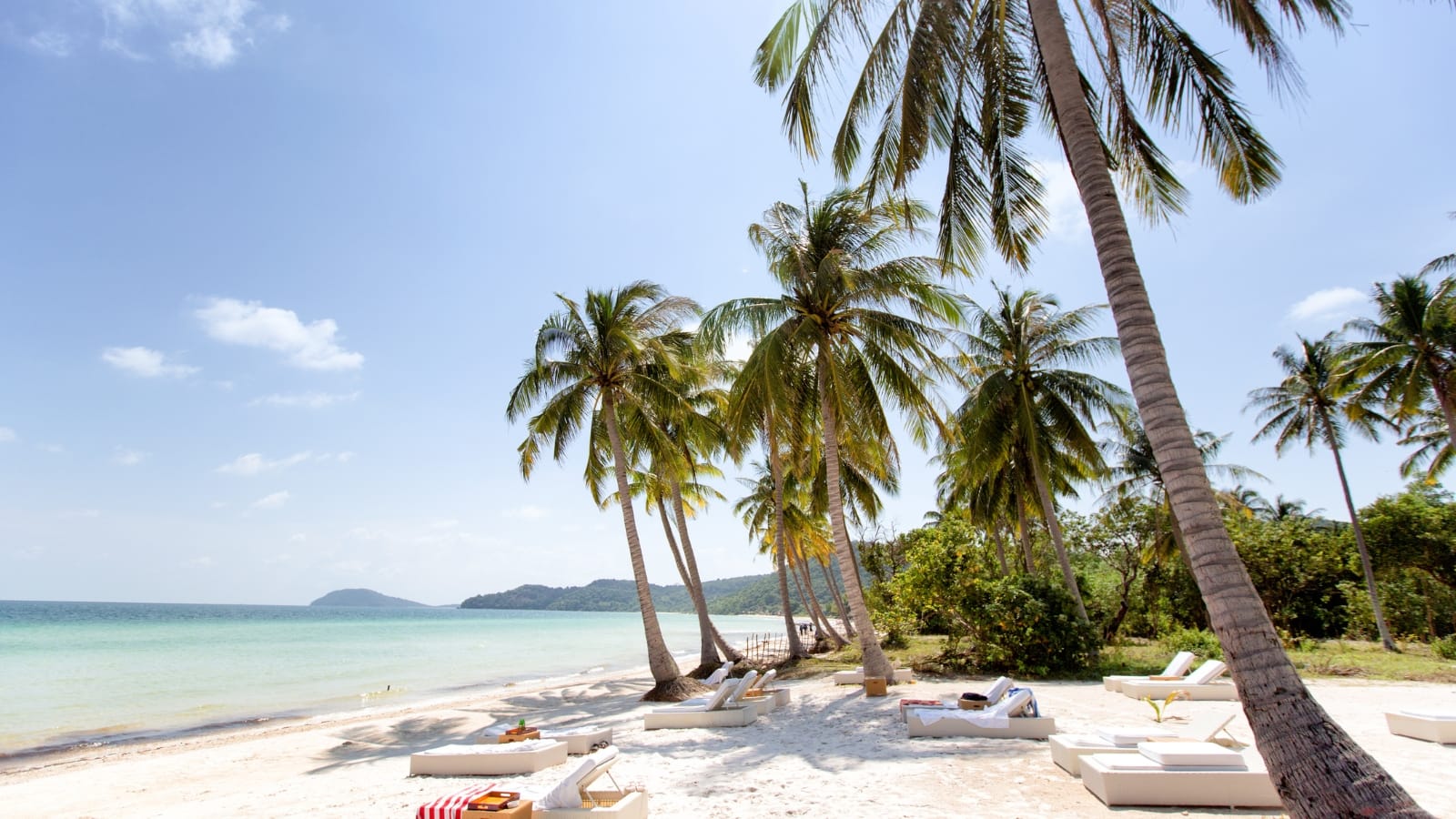
Northern Phu Quoc combines forest scenery with quieter sections of coast. Ganh Dau has views towards Cambodia on clear days, while Bai Dai is home to several large resorts and major family attractions.
Some northern beaches are less developed, but access, sand conditions and facilities can change. Check locally before making a long journey to a remote stretch of coast.
Starfish Beach
Starfish Beach, near Rach Vem, has become famous for the red starfish sometimes visible in its shallow water. Sightings depend on the season, tide and water conditions, so they should never be treated as guaranteed.
Visitors should not lift, handle or move starfish for photographs. Touching marine life can cause lasting harm, even when an animal is returned to the water.
Explore Duong Dong
Duong Dong is Phu Quoc’s main commercial centre and provides a useful contrast to the self-contained resort areas.
Visit Duong Dong Market during the morning to see seafood, fruit, vegetables, dried goods and household products being sold to local residents. It is an active working market rather than a polished tourist attraction, so wear closed or easily cleaned footwear and be considerate when taking photographs.
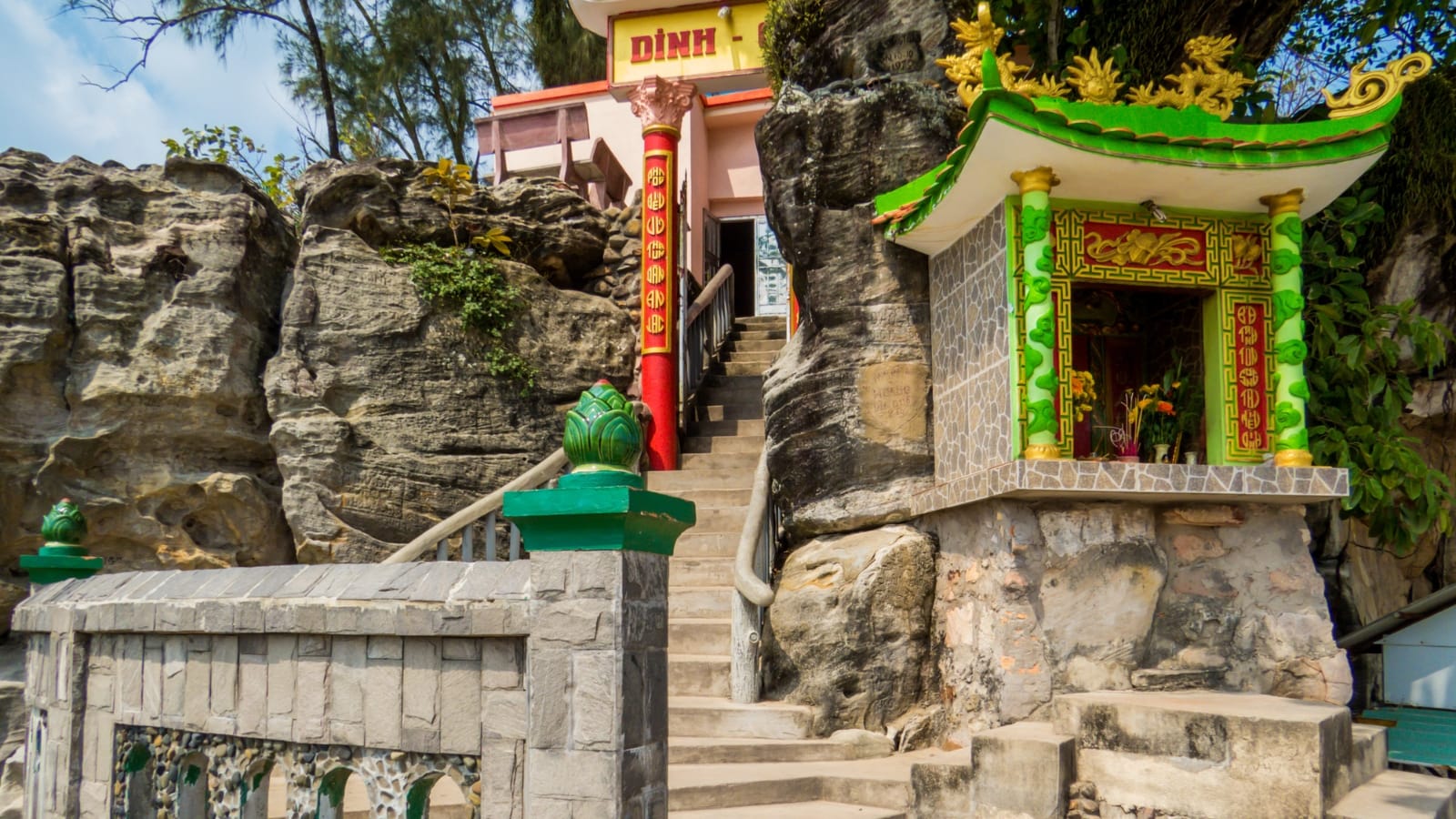
Nearby Dinh Cau is a small shrine set on a rocky headland beside the harbour. The location is particularly popular around sunset, when fishing boats return and the sky changes colour over the Gulf of Thailand.
Visit Phu Quoc Night Market
Phu Quoc Night Market occupies several streets in central Duong Dong and is one of the island’s busiest evening destinations. Stalls sell grilled seafood, snacks, desserts, souvenirs, pepper and other local products.
It is an enjoyable place to browse, but not every stall offers the same quality or value. Check prices before ordering seafood, confirm whether the price is per portion or by weight and choose busy food stalls where ingredients appear fresh.
The market is primarily designed for visitors, so travellers seeking a more local experience should also explore Duong Dong’s daytime market and neighbourhood restaurants.
Take an island-hopping and snorkelling trip
Boat trips around the An Thoi Archipelago are among Phu Quoc’s most popular excursions. Tours commonly combine several small islands with swimming, snorkelling, fishing or a beachside lunch.
Conditions differ by season and location. Visibility can be excellent on a calm day but disappointing following heavy rain or rough weather. Choose a reputable operator, confirm the size of the group and check whether snorkelling equipment, life jackets, meals, transfers and marine charges are included.
Avoid standing on coral, feeding fish or collecting shells and marine life. Sunscreen labelled “reef safe” does not remove every environmental impact, so wearing a rash vest and reducing the amount of sunscreen entering the water is preferable.
Phu Quoc’s marine areas contain coral reefs, seagrass and habitats used by threatened species. Vietnam’s official tourism website provides an overview of the island’s natural environment.
Ride the Hon Thom cable car
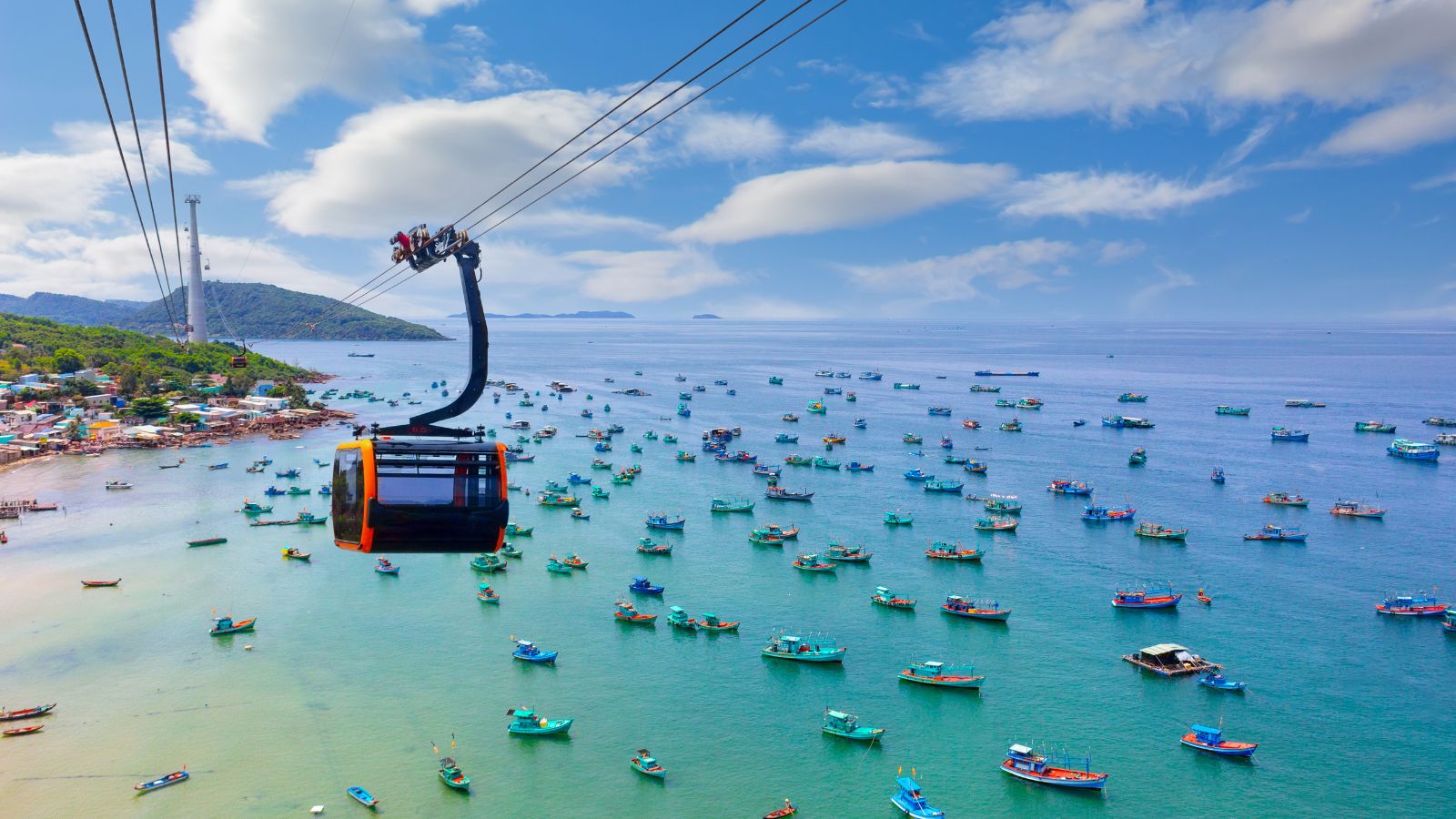
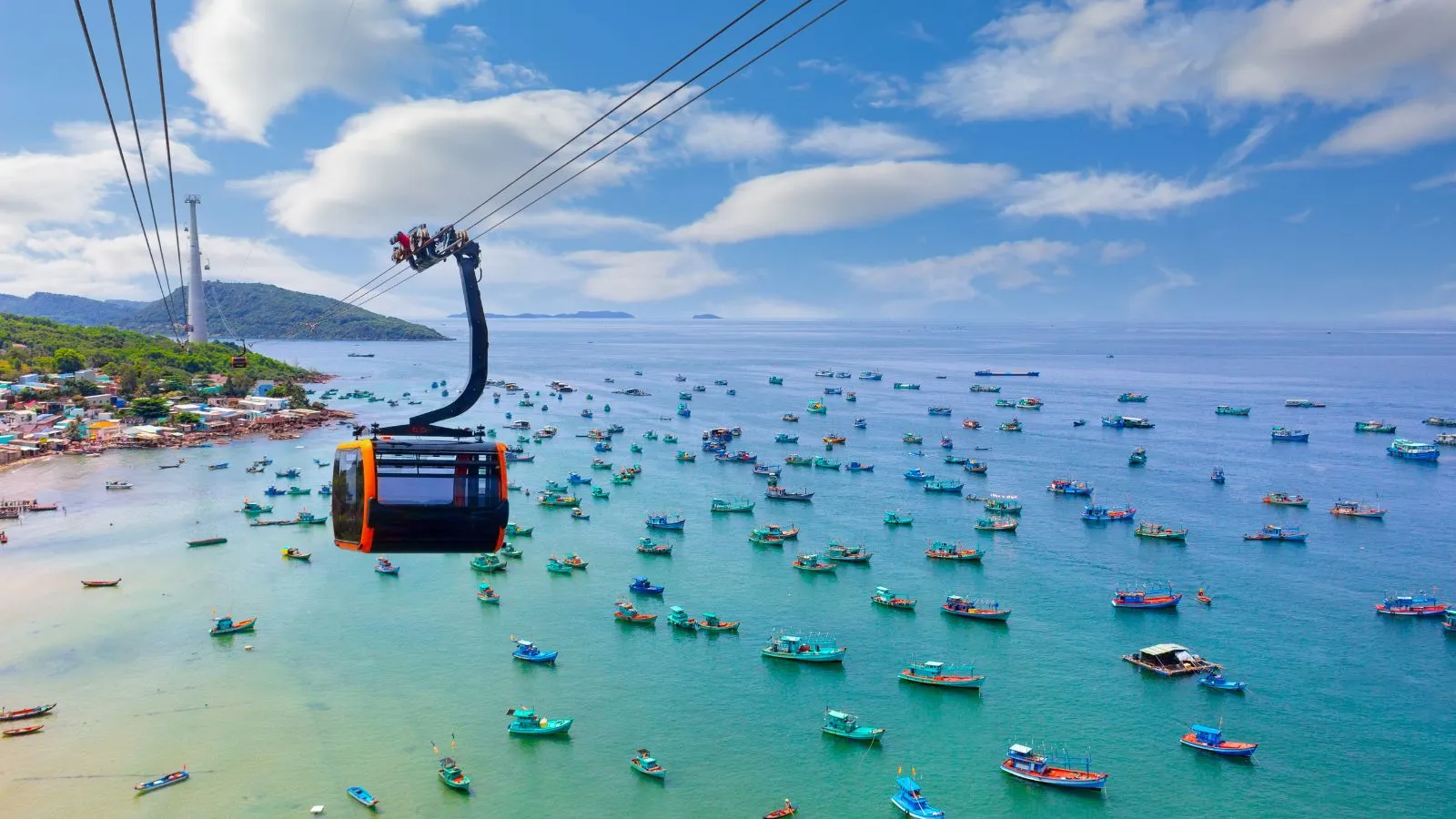
The Hon Thom cable car travels from An Thoi across the sea to Hon Thom Island, providing wide views over fishing boats and the smaller islands of the southern archipelago.
The journey covers approximately 7.9 kilometres and takes around 15 minutes. Tickets are generally sold with access to attractions on Hon Thom, but packages, operating periods and maintenance closures can change. Check the official Sun World Hon Thom information before planning your day.
The departure station is within the purpose-built Sunset Town development. The area’s colourful Mediterranean-inspired architecture, Kiss Bridge and evening entertainment create a very different atmosphere from traditional Phu Quoc.
Discover Phu Quoc National Park
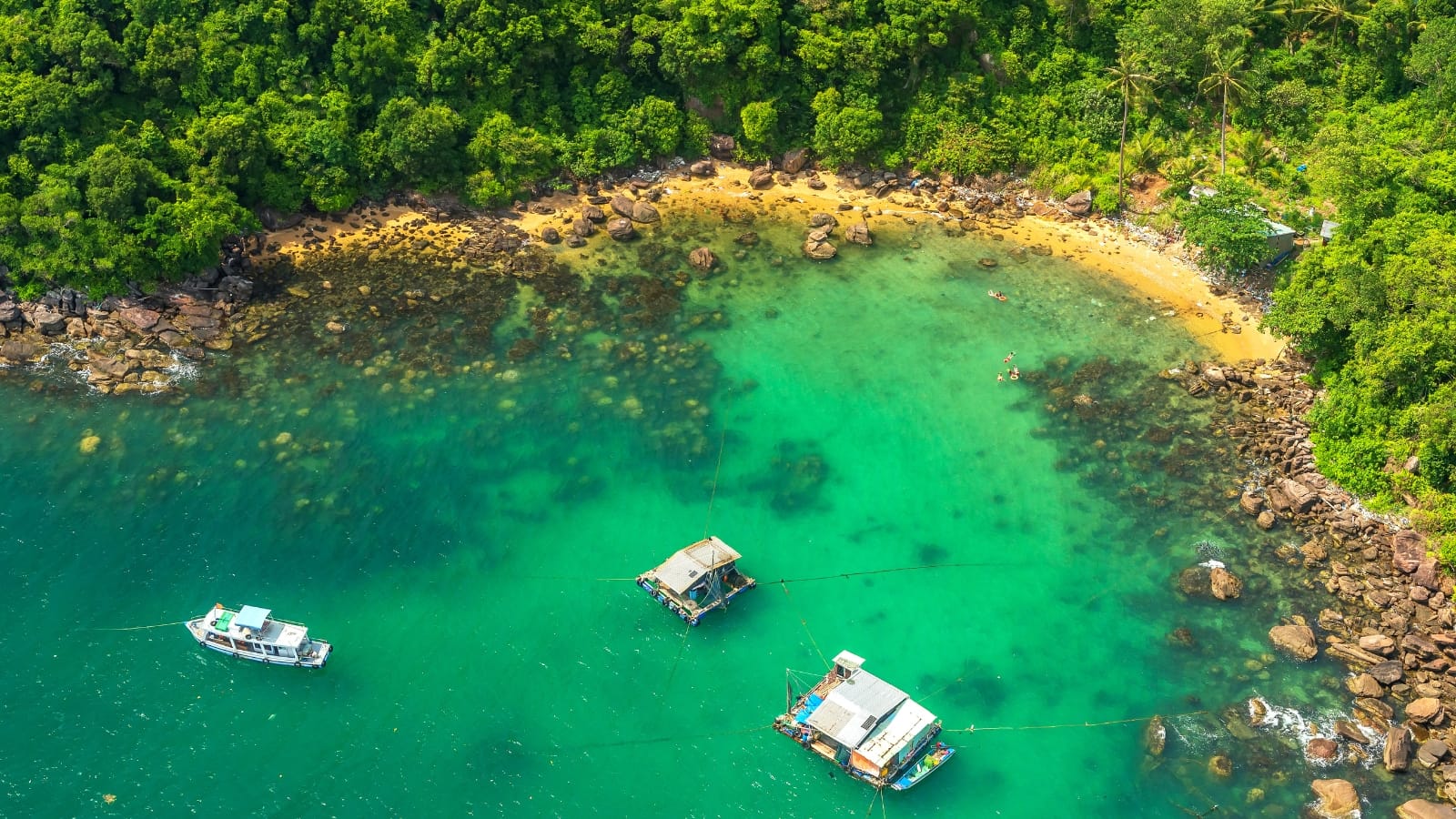
Phu Quoc National Park covers much of the island’s northern region and forms part of the wider UNESCO biosphere reserve. Its landscapes include evergreen forest, hills, streams and coastal ecosystems.
Some routes can be explored independently, but access and trail conditions vary. A local guide is worthwhile for longer walks, particularly during the wetter months. Wear suitable footwear, carry drinking water and use insect repellent.
Suoi Tranh is a more accessible nature stop, reached by a relatively short walk through forest. The stream and waterfall are usually at their best during or shortly after the rainy season; water levels can be low late in the dry season.
Learn about Phu Quoc’s local products
Fish sauce
Phu Quoc is renowned for nuoc mam, the intensely flavoured fish sauce used throughout Vietnamese cooking. Traditional producers ferment anchovies with salt inside large wooden barrels, sometimes for more than a year.
Some producers welcome visitors, although operating arrangements differ. Fish sauce is difficult to carry on certain flights because airlines may restrict strongly scented liquids, so check baggage rules before buying bottles as souvenirs.
Pepper farms
The island’s climate and soil support the cultivation of aromatic pepper. Farm visits provide an opportunity to see how pepper vines are grown and learn the differences between black, white and red pepper.
Many farms sell directly to visitors. Choose sealed, clearly labelled products and check your destination country’s biosecurity rules before carrying agricultural goods home.
Pearls
Pearl farms and showrooms are another established part of Phu Quoc’s visitor circuit. Demonstrations may explain how cultured pearls are produced, but quality and prices vary considerably. Request proper documentation when making an expensive purchase and avoid relying solely on a salesperson’s valuation.
Visit Phu Quoc Prison
Phu Quoc Prison, also known as Coconut Tree Prison, is a historical site near An Thoi. It was used during periods of conflict, most notably for holding prisoners during the Vietnam War.
Reconstructed displays depict imprisonment and torture in graphic detail, so the site may not be suitable for young children or sensitive visitors. Allow time to explore respectfully and remember that it commemorates deeply traumatic events rather than functioning simply as another sightseeing stop.
Family attractions in northern Phu Quoc
Northern Phu Quoc contains several large-scale attractions, including VinWonders theme park, Vinpearl Safari and the Grand World entertainment and shopping complex.
These can occupy an entire day and may appeal particularly to families, but they are some distance from Duong Dong and the southern beaches. Visitors staying elsewhere should include transfer times when planning.
Opening hours, shows and ticket combinations change, so consult the official VinWonders Phu Quoc and Vinpearl Safari websites before visiting.
What to eat in Phu Quoc
Phu Quoc’s food draws heavily on seafood and the flavours of southern Vietnam. Dishes worth looking for include:
Bun quay: A local noodle speciality usually served with seafood paste, herbs and a broth that diners season themselves.
Goi ca trich: Raw or lightly cured herring salad served with herbs, vegetables, rice paper and dipping sauce.
Grilled sea urchin: Often cooked with spring onions, peanuts or seasoned oil.
Ham Ninh crab: Small local crabs valued for their sweet meat, traditionally associated with Ham Ninh fishing village.
Banh canh: Thick noodles served in a savoury broth, sometimes with fish cakes, seafood or pork.
Grilled seafood: Fish, prawns, squid and shellfish are widely available at markets and restaurants.
Ask for the price before ordering seafood sold by weight. Travellers who are pregnant, immunocompromised or cautious about raw fish may prefer a cooked alternative to herring salad.
Where to stay in Phu Quoc
Duong Dong and northern Long Beach
This is the most convenient all-round area for first-time visitors. It offers easy access to restaurants, the night market, the airport and a wide selection of accommodation.
Southern Long Beach
The coastline south of the airport contains larger resorts and planned holiday developments. It suits travellers who prioritise resort facilities but may feel removed from Duong Dong.
Ong Lang
Ong Lang provides a quieter, greener setting with boutique hotels and relaxed restaurants. It works well for couples and visitors who want peaceful evenings.
Ganh Dau and Bai Dai
Stay in the north for convenient access to VinWonders, Vinpearl Safari and Grand World. The area is less practical for travellers planning frequent trips to southern Phu Quoc.
Khem Beach, An Thoi and Sunset Town
The south is a good base for the Hon Thom cable car, island tours and several attractive beaches. Accommodation ranges from luxury resorts to apartments and smaller hotels around An Thoi.
Best time to visit Phu Quoc
November to April generally provides the most reliable beach weather, with lower rainfall, sunnier skies and calmer conditions. This is also the busiest and often most expensive period, particularly around Christmas, New Year and Tet.
May and June can still bring extended sunny periods, but humidity and rainfall increase as the island moves towards its wetter season.
July to September is usually the wettest and most unsettled period. Heavy rain, rough seas and strong winds can affect ferries, boat trips and beach conditions. Sunshine is still possible, but travellers should build flexibility into their plans.
October is a transitional month. Conditions often improve as the month progresses, although yearly weather patterns vary.
Phu Quoc remains warm throughout the year, but weather should be judged by rainfall and sea conditions rather than temperature alone. Vietnam’s official tourism guidance describes July to September as the island’s stormiest period.
How many days do you need in Phu Quoc?
Four or five nights is a good starting point for most visitors. This provides time for the beach, Duong Dong, a southern-island excursion and at least one day exploring the north or relaxing at the hotel.
Three nights can work as part of a longer Vietnam itinerary, but the island’s size and travel distances make a very short visit feel rushed.
A week is appropriate for travellers who want a slower resort holiday, several beaches, family attractions and flexibility around the weather.
Getting to Phu Quoc
By air
Phu Quoc International Airport receives flights from major Vietnamese cities and a changing selection of international destinations. Direct international services can be seasonal, so check the airline’s current schedule rather than relying on older route lists.
The airport lies south of Duong Dong and is convenient for Long Beach and the island’s southern resort areas. Many hotels provide transfers, while taxis and ride-hailing services are also available.
By ferry
Fast ferries connect Phu Quoc with mainland ports including Ha Tien and Rach Gia. Journey times and departure points depend on the operator and vessel.
Schedules can change because of tides, weather and sea conditions. Book through an established operator and reconfirm your departure, particularly during the rainy season. Superdong publishes its current Phu Quoc ferry schedule online.
There is no railway on Phu Quoc. Travellers arriving by train elsewhere in Vietnam must continue to an airport or mainland ferry port.
Getting around Phu Quoc
Phu Quoc is larger than many visitors expect, and attractions are spread between the north, centre and south.
Taxis, hotel transfers and ride-hailing services are the most convenient options for occasional journeys. Renting a car with a driver can be economical for a full day of sightseeing.
Motorbikes provide independence, but riders should have the correct licence, suitable insurance and experience in local traffic. Helmets are essential. Roads in developed areas are generally straightforward, while rural routes can be dark, uneven or slippery after rain.
Some resorts and attractions operate shuttle buses, although routes and eligibility can change. Confirm arrangements directly with your hotel or attraction.
Entry and visa information
Phu Quoc has a special visa policy for many international visitors. Foreign passport holders may be permitted to stay on the island without a visa for up to 30 days when arriving directly from abroad or transiting through an international gateway in Vietnam and continuing directly to Phu Quoc.
This exemption does not automatically permit onward travel elsewhere in Vietnam. Anyone combining Phu Quoc with Ho Chi Minh City, Hanoi or another Vietnamese destination must satisfy Vietnam’s normal entry requirements for their nationality.
Visa rules, passport-validity requirements and eligible routes can change. Check the official Vietnam Tourism visa guidance and use only Vietnam’s official electronic visa portal when an e-visa is required.
Practical travel tips
The local currency is the Vietnamese dong. Cards are widely accepted at resorts and larger businesses, but cash remains useful for markets, small restaurants and rural stops.
ATMs are concentrated around Duong Dong and developed resort areas. Carry enough cash when travelling to remote beaches.
Check sea conditions before swimming and follow warning flags or lifeguard instructions.
Wear insect repellent, particularly near forest, streams and standing water.
Use sun protection even on cloudy days; tropical UV levels can remain high.
Confirm seafood prices before ordering, especially when items are sold by weight.
Do not touch coral, remove shells or handle starfish and other marine animals.
Choose licensed boat operators, locate your life jacket before departure and avoid trips when sea conditions appear unsafe.
Travel times can be longer than expected, so avoid combining attractions at opposite ends of the island without allowing sufficient time.
Development remains rapid in some districts. Construction or roadworks may affect individual hotels, beaches and neighbourhoods, so read recent accommodation reviews before booking.
Phu Quoc’s current administrative location
Older websites, maps and guidebooks usually describe Phu Quoc as belonging to Kien Giang Province.
Following Vietnam’s 2025 administrative reorganisation, the former provinces of Kien Giang and An Giang were combined. Phu Quoc is now officially designated the Phu Quoc Special Zone within An Giang Province. The island itself has not moved—only its administrative classification has changed. The official Phu Quoc government portal reflects the current arrangement.
Is Phu Quoc worth visiting?
Phu Quoc is an excellent choice for travellers seeking beaches, warm weather and resort comfort without leaving Vietnam. Its international airport and wide range of accommodation make it relatively accessible, while its forests, markets, local food and offshore islands add variety beyond the hotel pool.
It is no longer an untouched tropical hideaway. Development is extensive, and parts of the island feel more like purpose-built holiday districts than traditional Vietnam. Choosing the right area is therefore important.
Visitors who balance resort time with local food, natural landscapes and responsible marine activities will find Phu Quoc a rewarding addition to a Vietnam journey—and one that offers a completely different pace from the country’s busy cities.